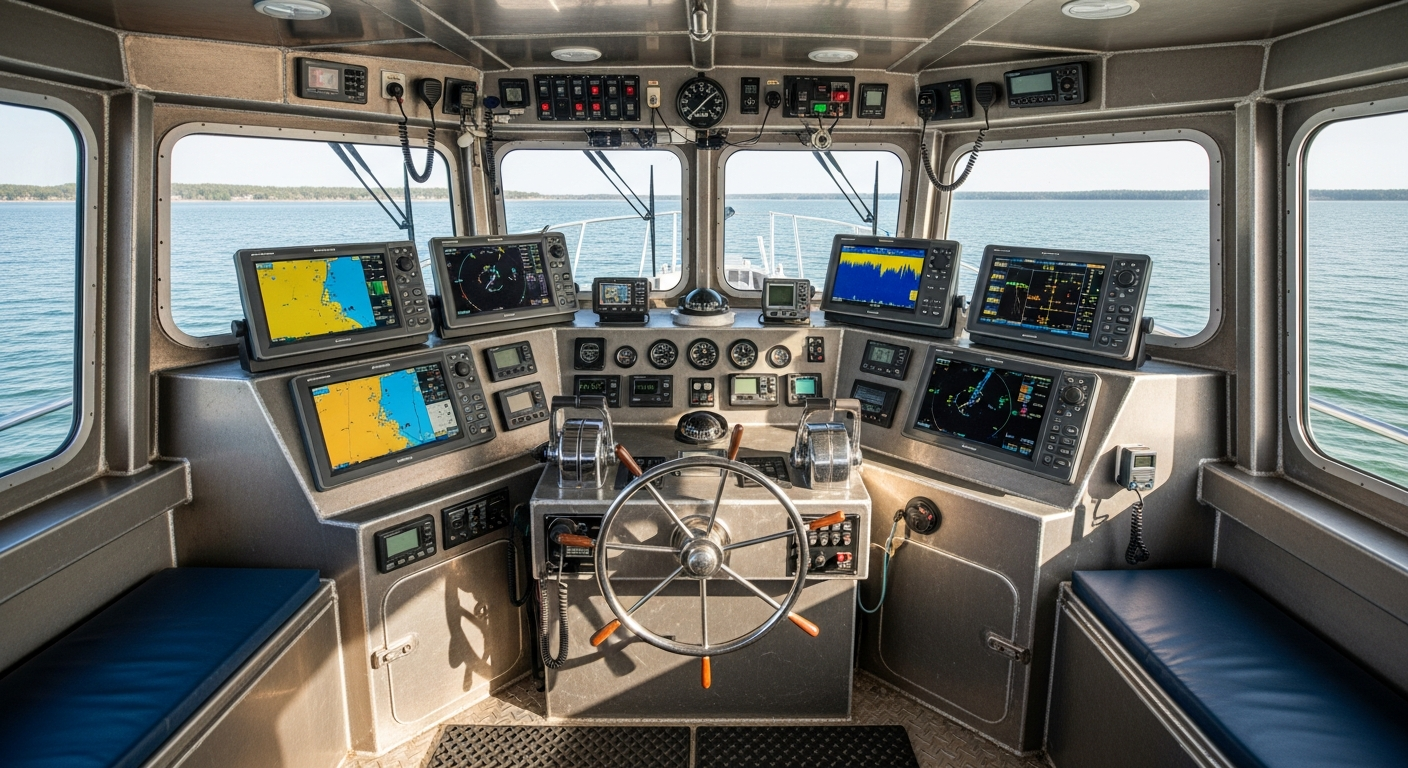
Laying Out a Working Wheelhouse
The wheelhouse is where a captain spends every hour the boat is running, and a good one is designed the way a good cockpit is — around the human at the controls. Long before we think about finishes, we lay it out for sightlines, reach, and the simple goal of keeping a crew sharp through a long watch.
Sightlines first
The first thing we draw in a wheelhouse is the captain's eye. From the helm seat, the operator needs a clean view forward over the bow, down each side for docking and transfers, and aft to the working deck. Window mullions, the dash height, and the seat position all get placed around protecting those sightlines. A blind spot designed in at the drawing board becomes a daily hazard for the life of the boat.
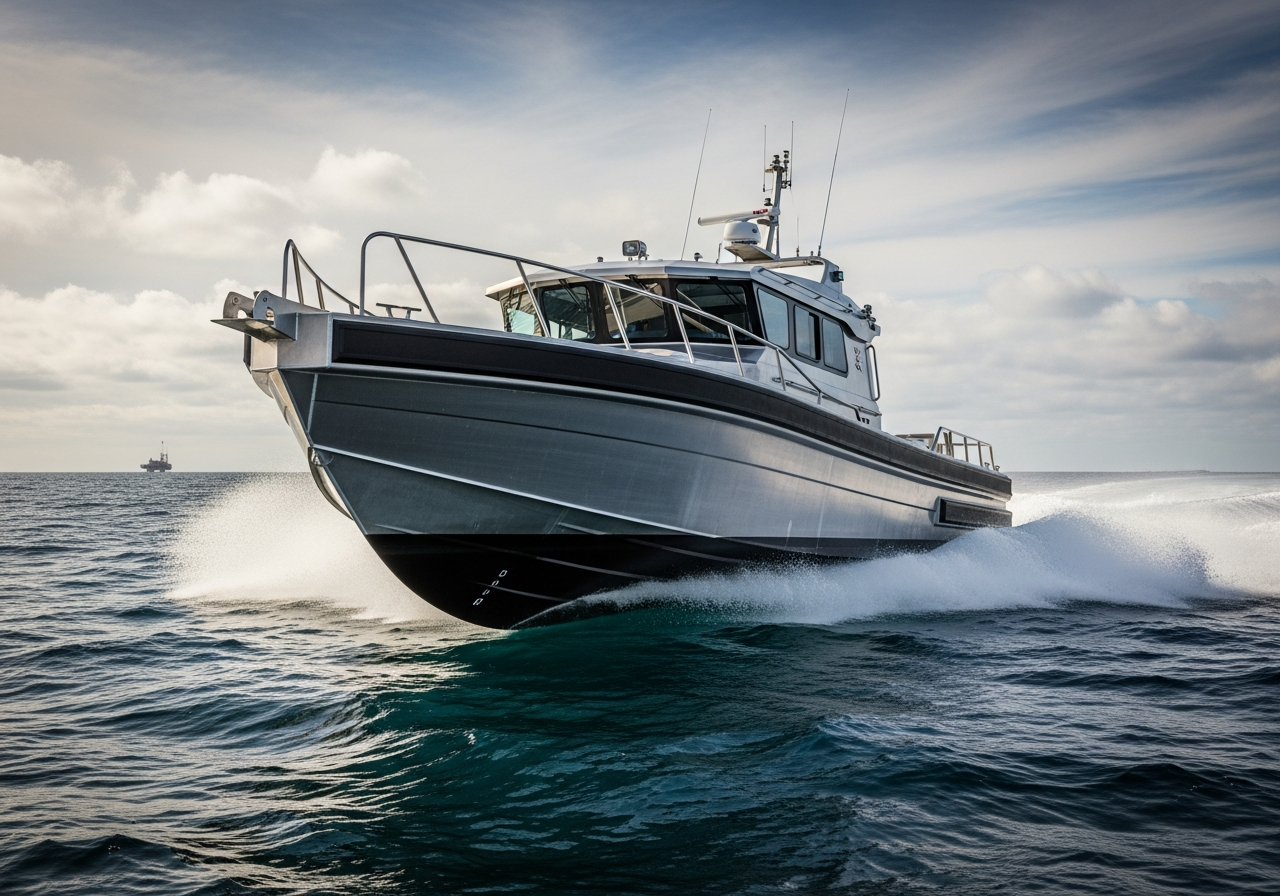
Reach, controls, and fatigue
Everything the operator uses underway — throttles, helm, electronics, radios — falls within an easy, natural reach from the seat, grouped the way they are used. A helm laid out well lets a captain run the boat without leaning, stretching, or looking away from the water. Over a twelve-hour day that ergonomic discipline is a safety feature, not a luxury.
We also fight fatigue with the things around the controls: a supportive helm seat, sensible glare control on the glass, and ventilation that keeps the space comfortable. A fresh captain is a safe captain, and the wheelhouse is where that battle is won or lost.
Design the wheelhouse for the worst hour of the longest day, and every other hour takes care of itself.
More Dispatches
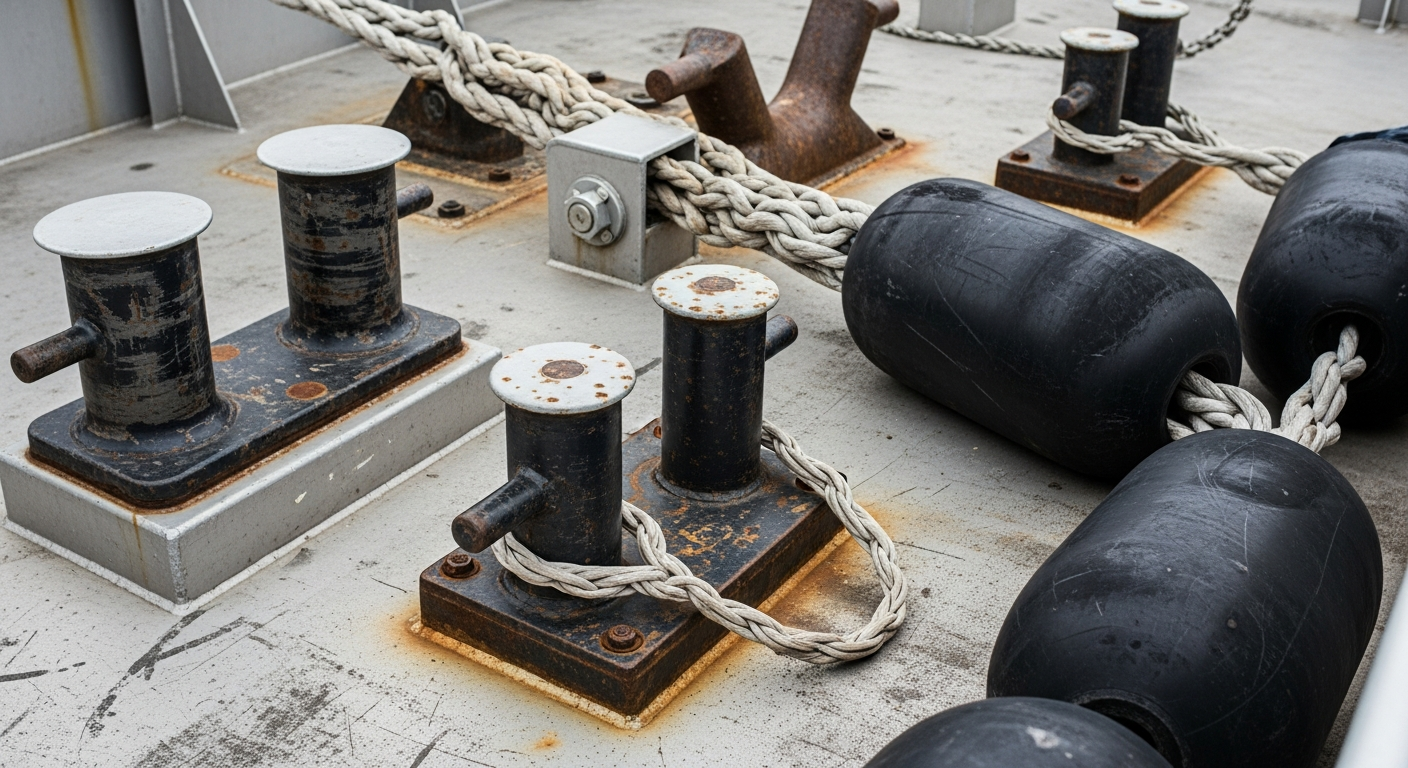
Deck Hardware That Earns Its Place
Bollards, cleats, and fendering take the hardest abuse on any working boat. Why we over-build the things crews lean on.
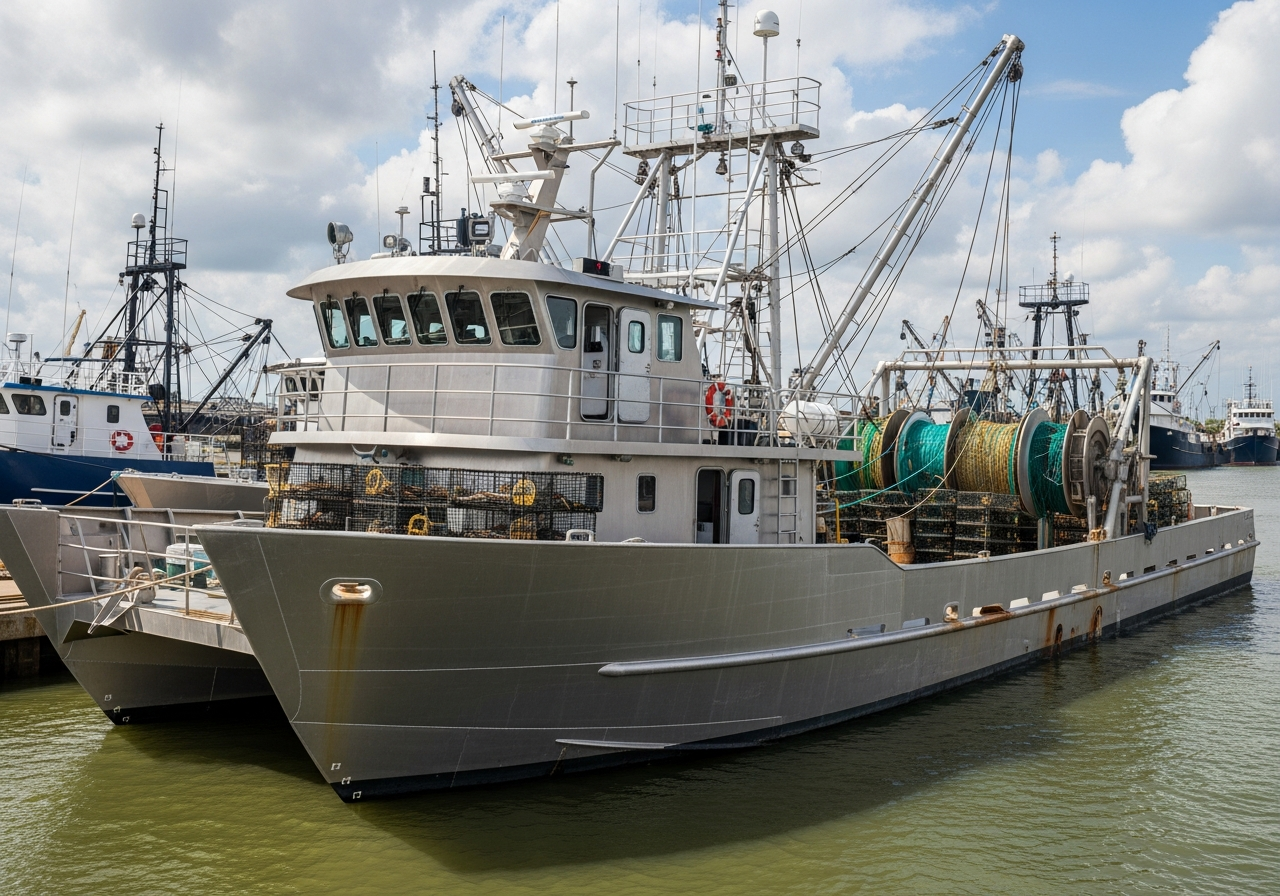
Designing for the Catch: Commercial Hulls
A commercial fishing hull is a workplace first. How deck layout, stability, and range shape the whole design.
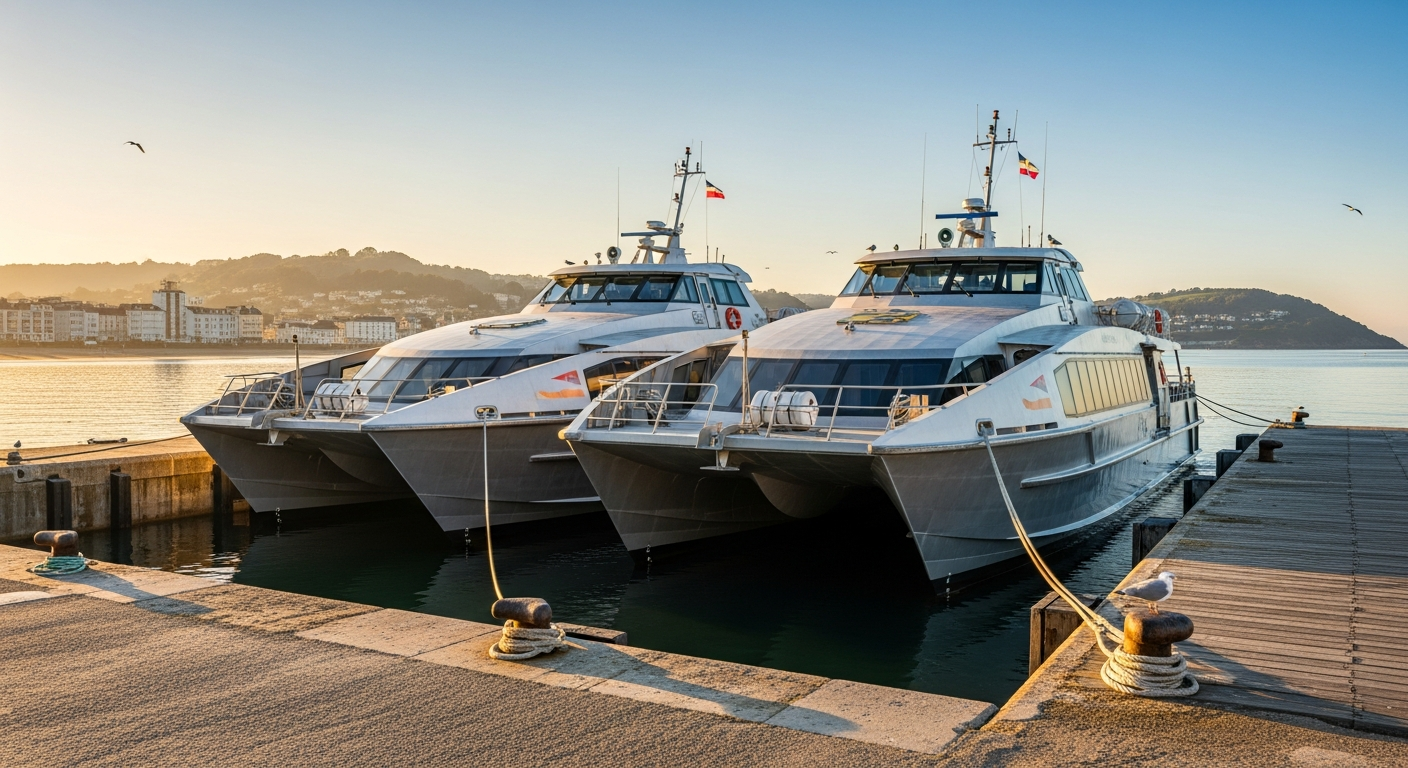
Twin Catamaran Ferries Head to the Coast
A pair of aluminum passenger catamarans left the yard together this week, bound for a coastal commuter route.