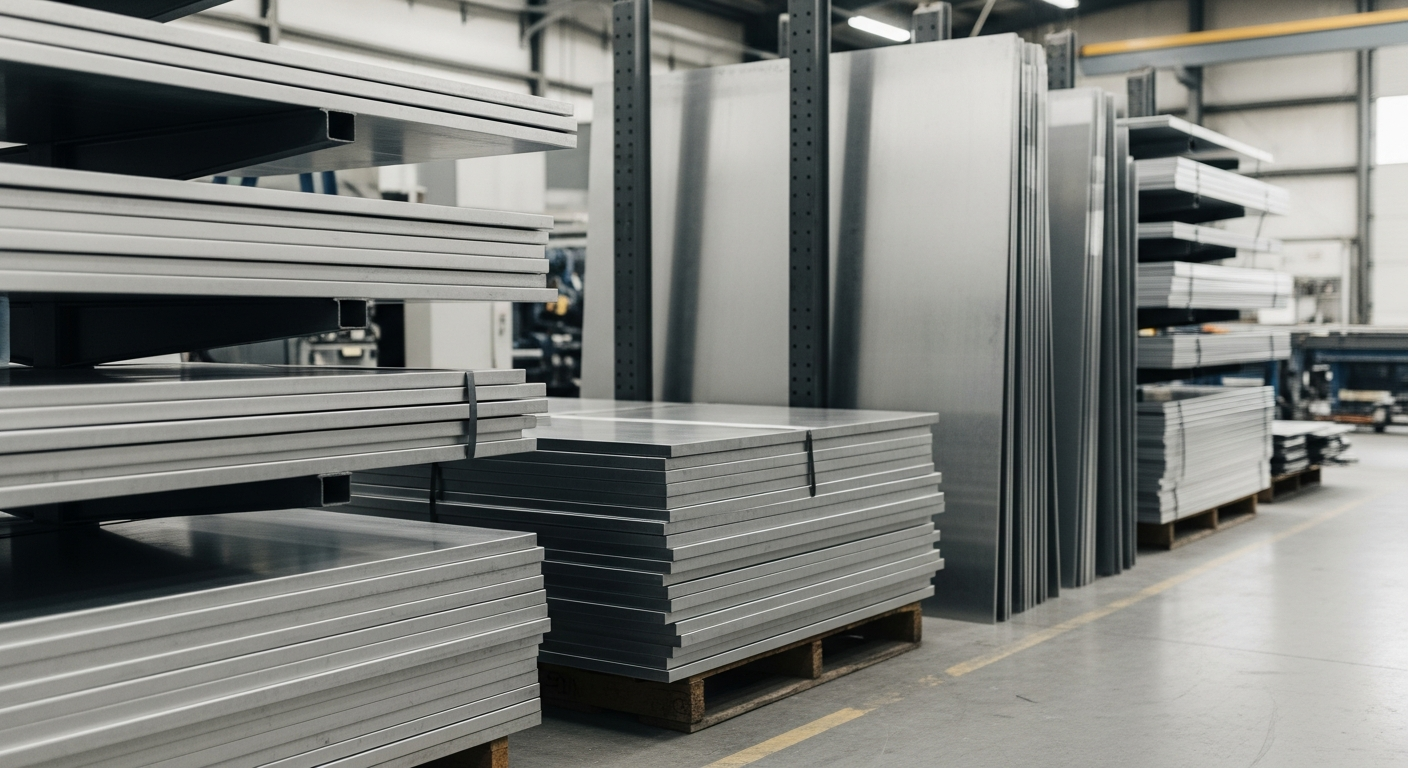
Choosing Between 5083 and 5086
Almost every plate and extrusion in one of our hulls is one of two marine alloys: 5083 or 5086. They look identical in the rack, but they behave differently under load and heat, and choosing the right one for each part of the boat is a quiet but real part of building it well.
Two alloys, two strengths
5083 is the stronger of the two, prized for its high strength as rolled plate and its excellent resistance to seawater. We reach for it in the bottom plating and high-stress structure, where every bit of strength buys payload or margin. 5086 trades a little strength for outstanding corrosion resistance and weldability, which makes it a workhorse for topsides, superstructure, and the many fittings of a hull.
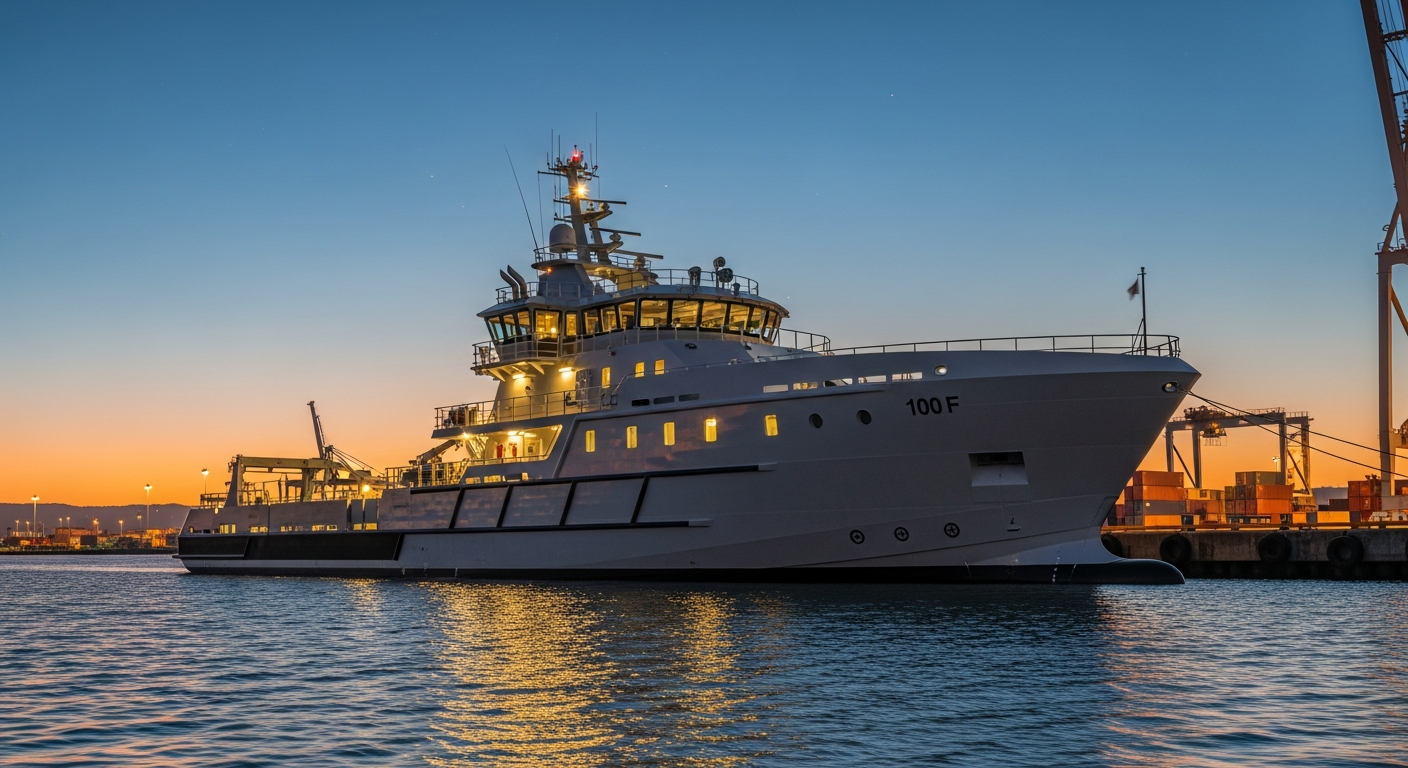
Where it matters most
The marine grades — the 5000 series — share one crucial trait: they hold up to continuous saltwater immersion without the stress-corrosion problems that plague some higher-strength aluminum families. We never substitute a stronger structural alloy from outside that series just to chase a strength number; in a marine environment that trade can shorten a hull's life dramatically. The discipline is using the proven marine grades and putting each exactly where it belongs.
Strength is easy to find. Strength that survives thirty years in salt water is the whole reason these two alloys exist.
More Dispatches
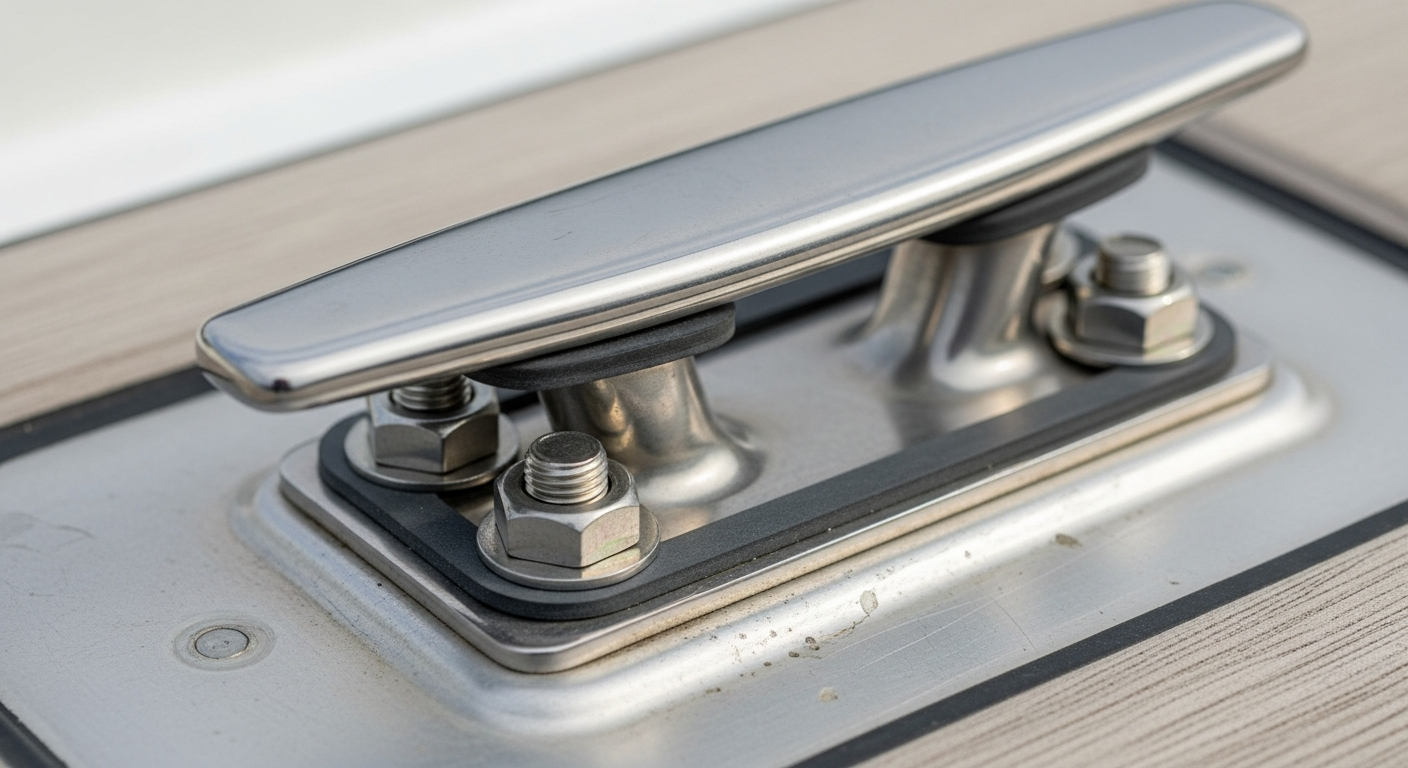
Isolating Dissimilar Metals
Bolt stainless straight to aluminum in salt water and you've built a battery. How we keep galvanic corrosion out.
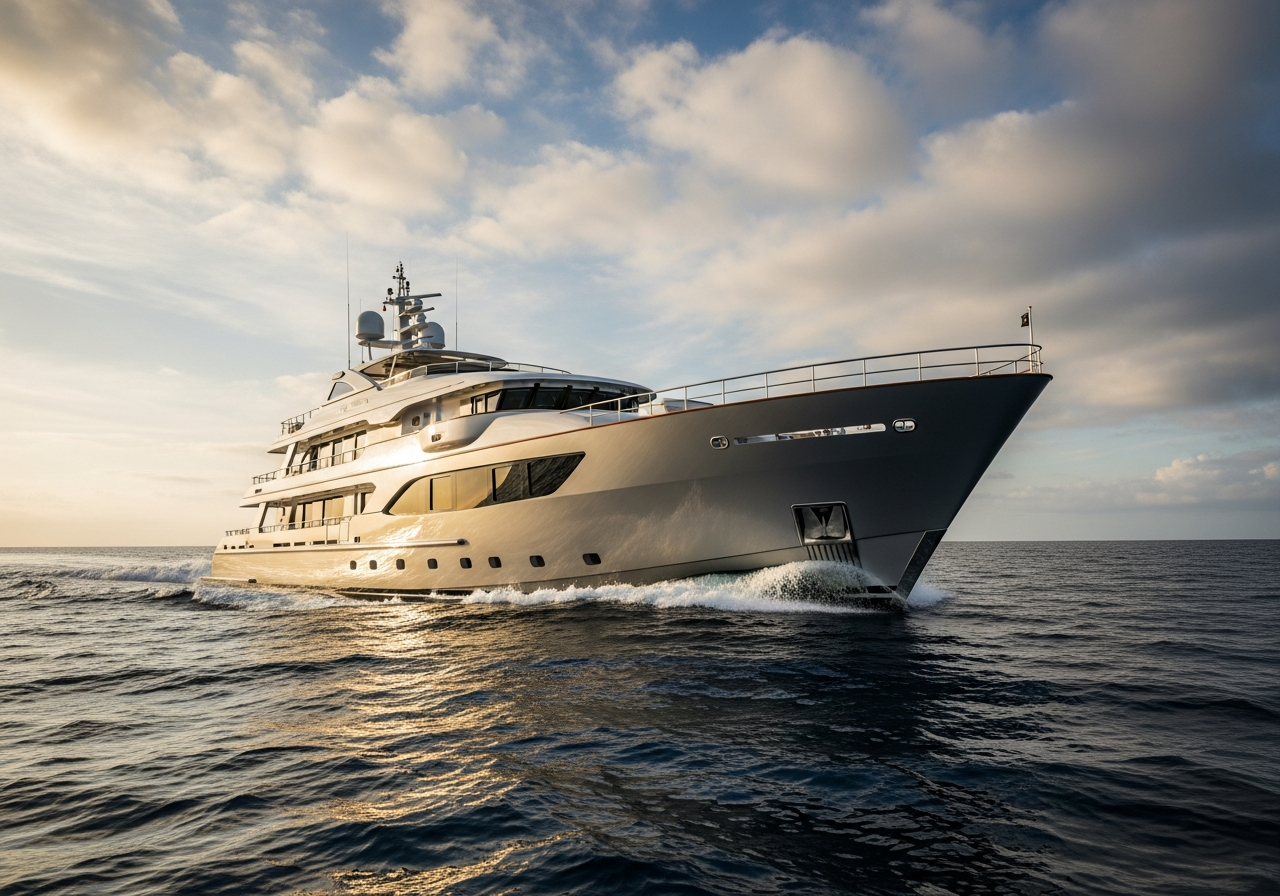
Why Aluminum Wins in Gulf Service
Lighter, tougher, and endlessly repairable — the case for building working hulls in marine-grade aluminum.
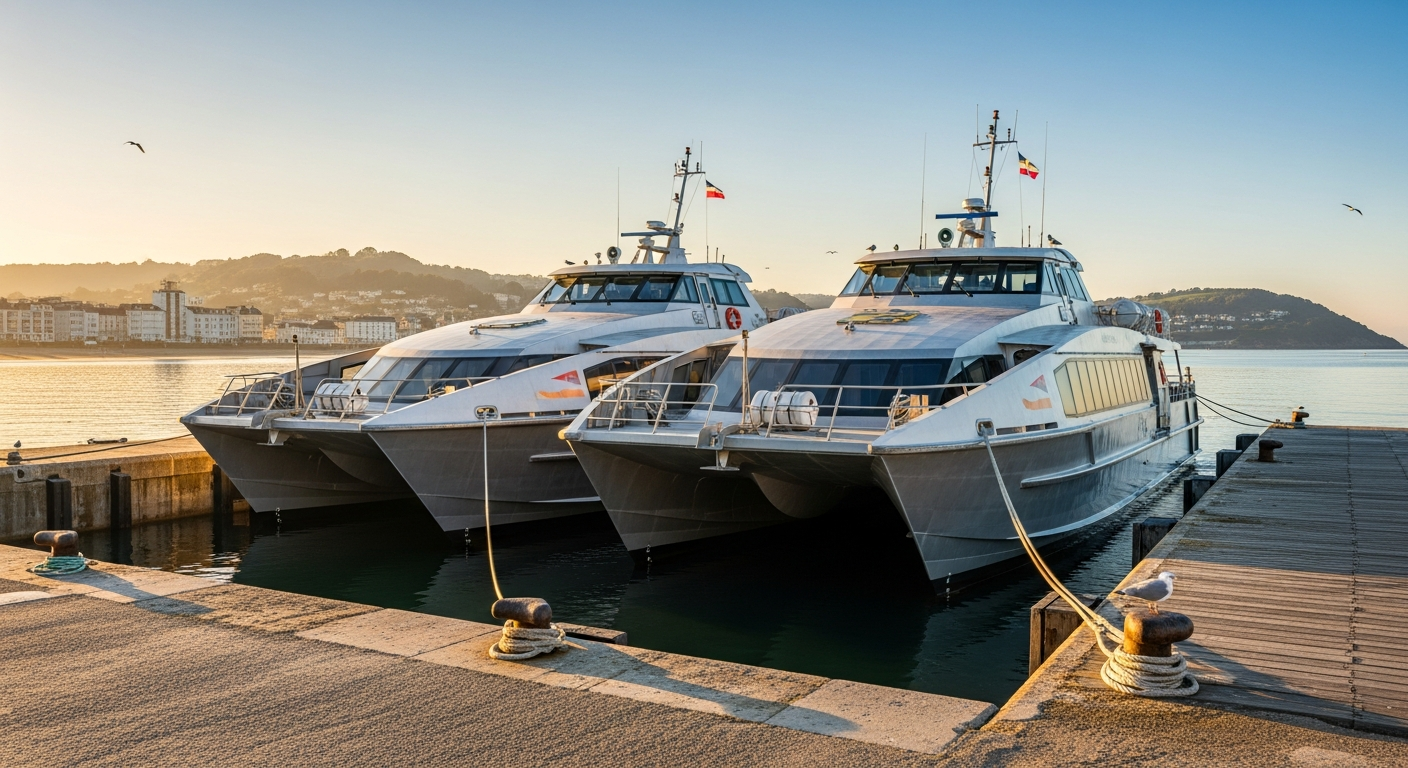
Twin Catamaran Ferries Head to the Coast
A pair of aluminum passenger catamarans left the yard together this week, bound for a coastal commuter route.