Isolating Dissimilar Metals
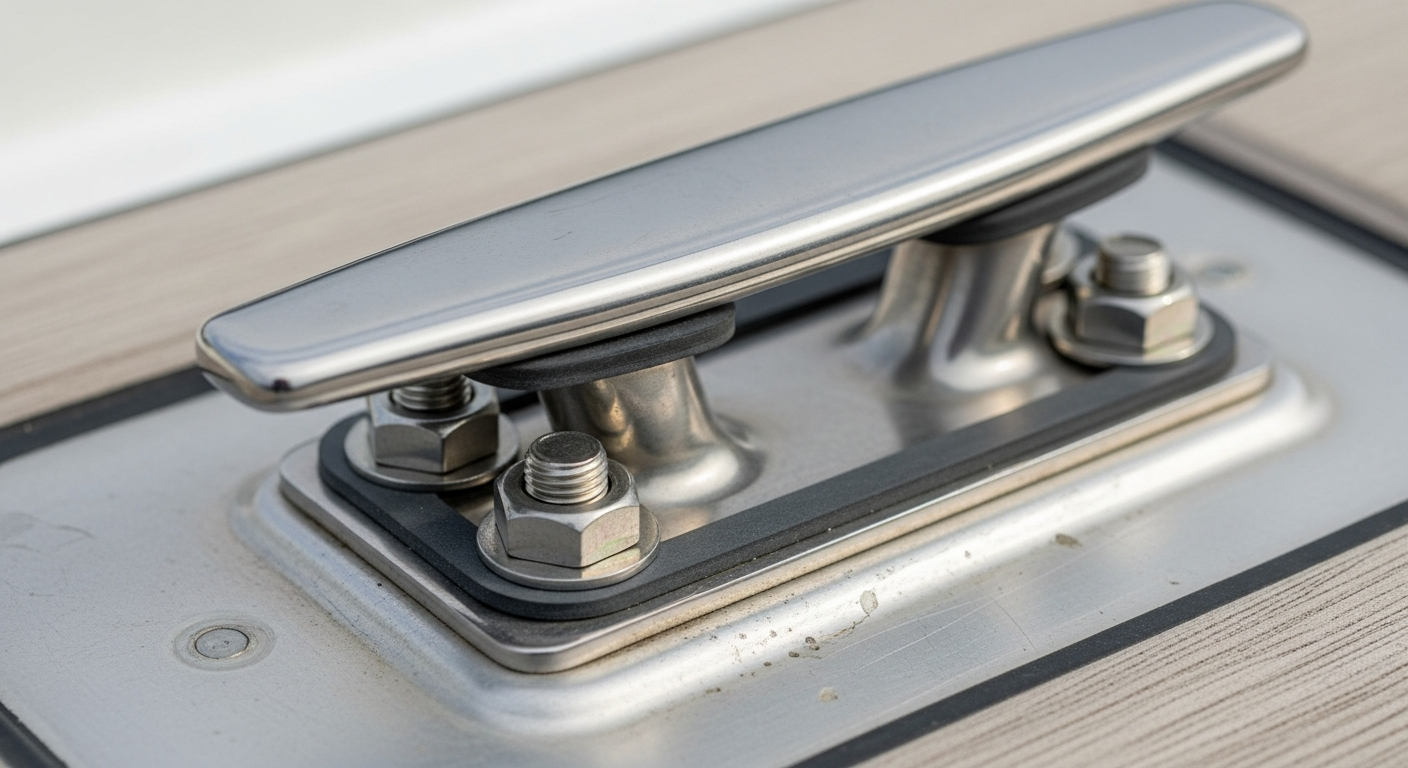
An aluminum hull is full of other metals — stainless cleats, bronze fittings, steel engine beds. Put any of them in direct contact with aluminum in seawater and you create a galvanic cell: a slow electrical reaction that quietly eats the aluminum away. Preventing that is one of the most important, least visible disciplines in the whole build.
Why it happens
When two dissimilar metals touch in the presence of an electrolyte — and seawater is an excellent one — the more active metal corrodes to protect the more noble one. Aluminum is near the active end of that scale, so paired with stainless or bronze it becomes the sacrificial side. Left unaddressed, the result is pitting and weakening exactly where fittings are bolted to the hull.
How we break the circuit
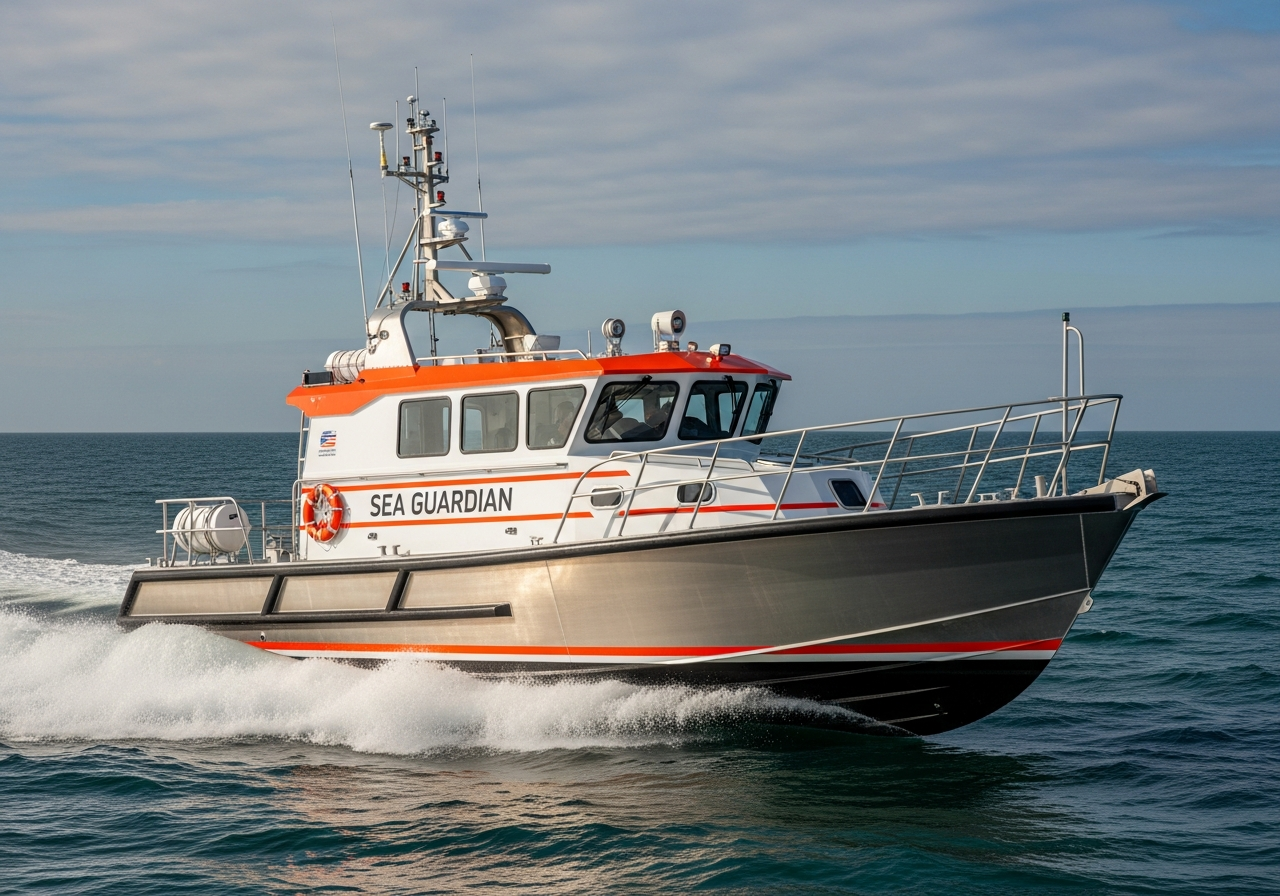
The fix is to interrupt the path. We isolate dissimilar fittings with non-conductive gaskets and bushings so the metals never touch directly, bed everything in the right sealants, and select compatible fasteners. Where bonding and grounding are required for electrical safety, we engineer those systems deliberately rather than letting stray paths form by accident. Sacrificial anodes give the hull a deliberate metal to give up instead of itself.
None of it shows in a photograph, and that is the point. A hull that has been properly isolated simply doesn't develop the mysterious pitting around its fittings that shortens so many boats' lives. The work is invisible because it is working.
Galvanic corrosion never announces itself. You prevent it at the bench, or you find it years later as a hole.
More Dispatches
Choosing Between 5083 and 5086
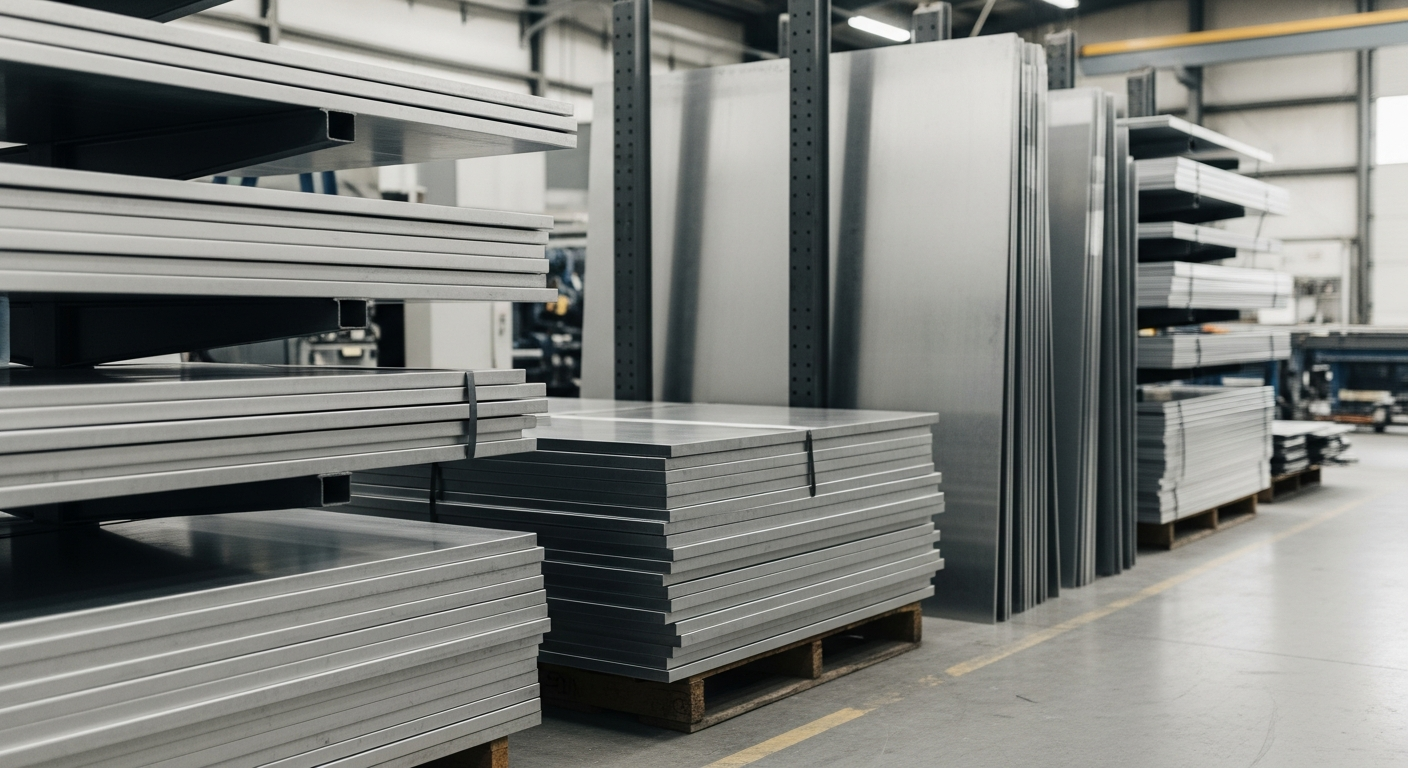
Two marine alloys do most of the work in an aluminum hull. Knowing where each belongs is half the craft.
Why Aluminum Wins in Gulf Service
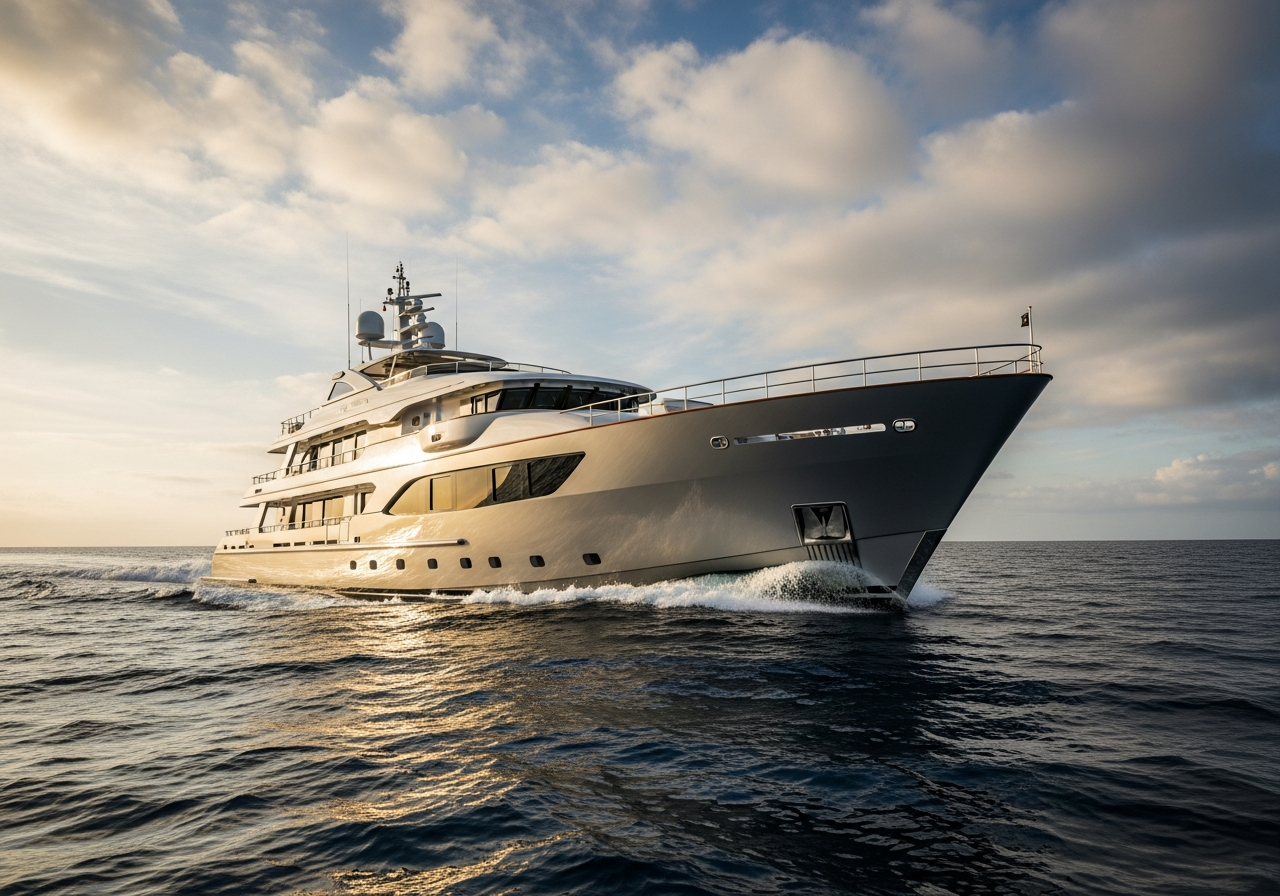
Lighter, tougher, and endlessly repairable — the case for building working hulls in marine-grade aluminum.

Twin Catamaran Ferries Head to the Coast
A pair of aluminum passenger catamarans left the yard together this week, bound for a coastal commuter route.