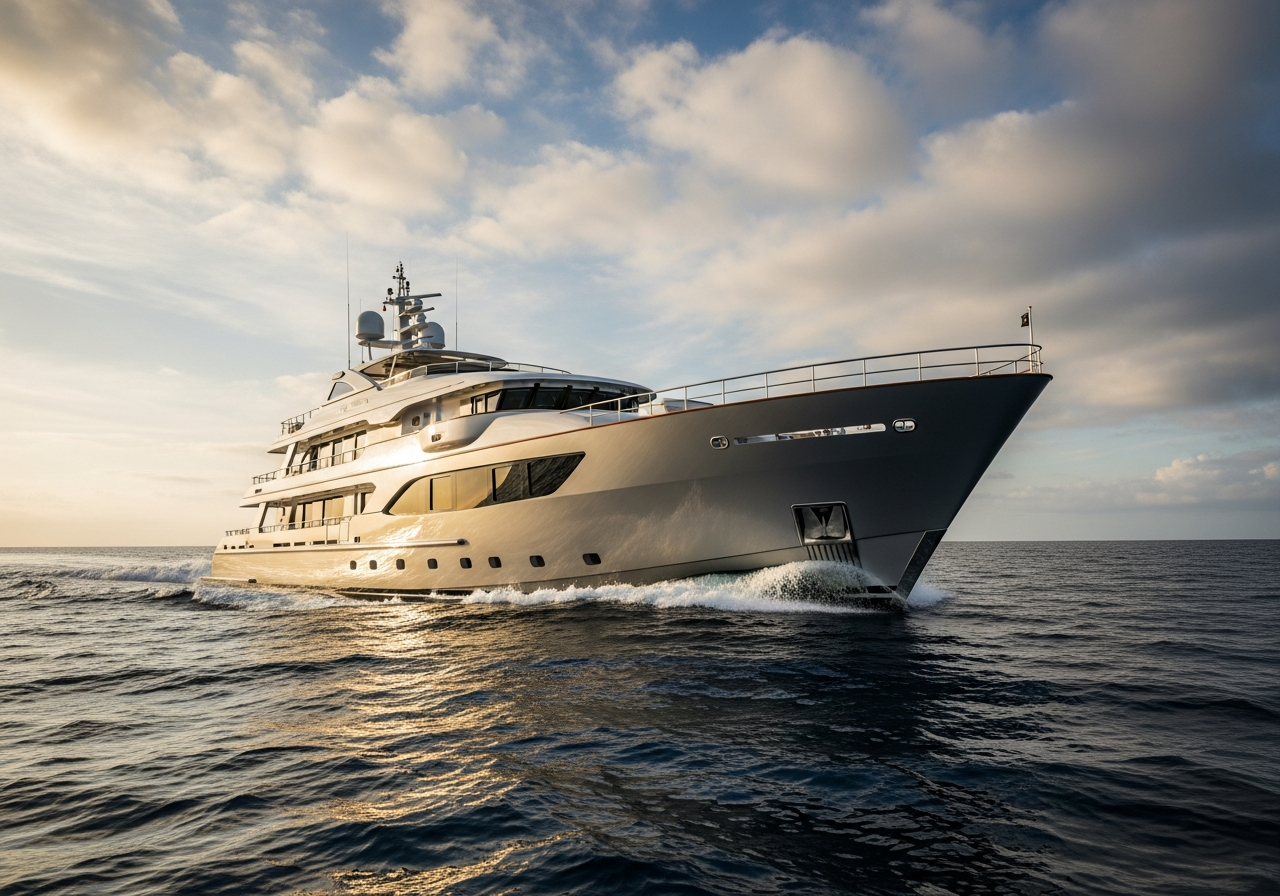
Why Aluminum Wins in Gulf Service
Ask why we build in aluminum and the easy answer is weight. The real answer is the whole life of the boat — how it is built, how it is run, and how it is fixed twenty years from now. For working hulls in the Gulf, marine-grade aluminum is not a compromise. It is the point.
Strength without the weight penalty
Marine alloys like 5083 and 5086 give us a structure that is roughly a third the weight of steel for comparable strength. That weight goes straight back to the owner as payload, speed, or fuel saved. A lighter hull needs less power to reach the same speed, which means smaller engines, smaller tanks, and lower running costs for the life of the vessel.
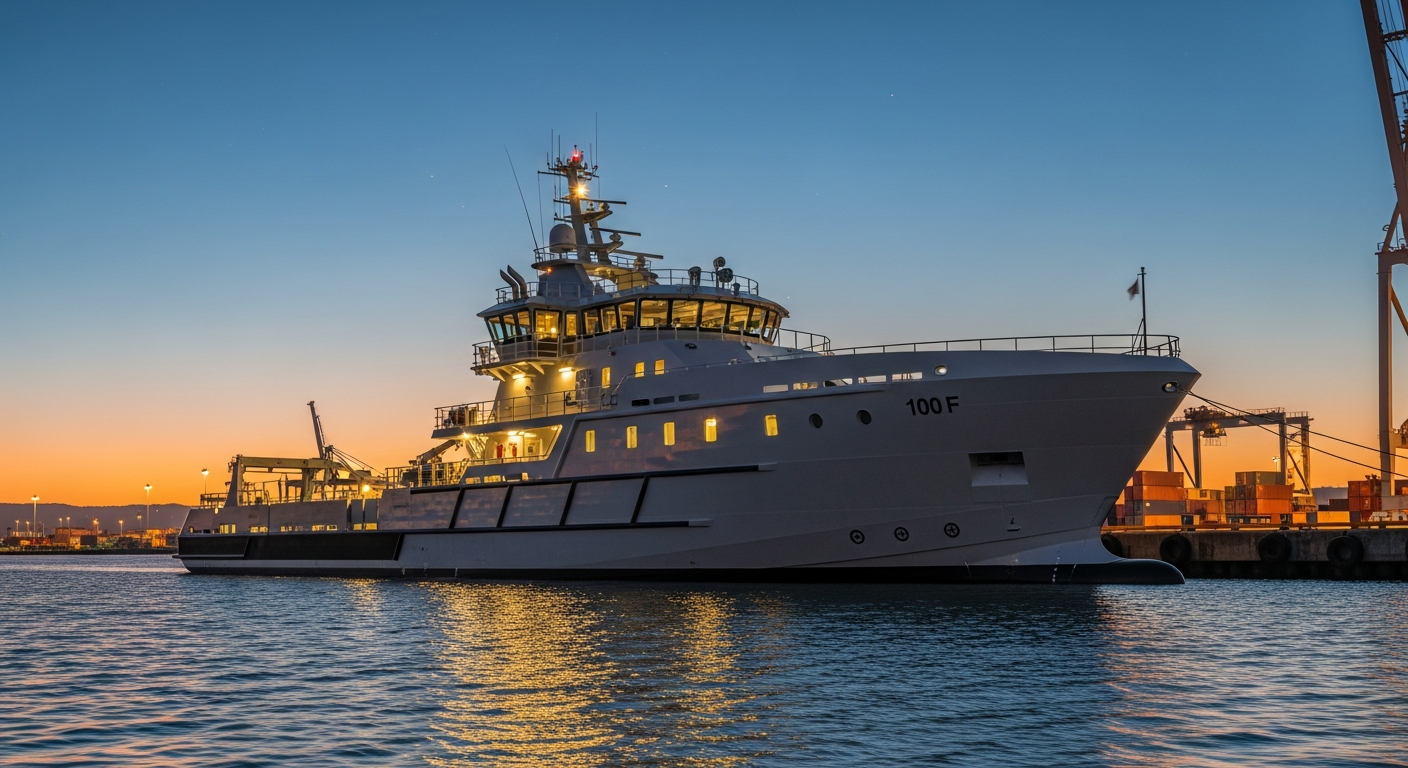
It does not quietly rot
Aluminum forms a tight oxide layer that protects itself against corrosion, so a well-built hull does not hide rust behind paint the way steel can. With proper alloy selection, isolation of dissimilar metals, and sound bonding, an aluminum boat holds its integrity for decades — and you can see the metal you are trusting, because it is right there.
Repairable anywhere there is a welder
Working boats get hurt — a hard landing on a platform, a brush with a piling, a long career of honest wear. Aluminum is endlessly repairable. Damage can be cut out and rewelded back to original strength, often without hauling far from where the boat works. That repairability is what keeps a hull earning thirty years after it launched.
Steel hides its age. Aluminum shows you exactly what you have — and lets you put it right.
More Dispatches
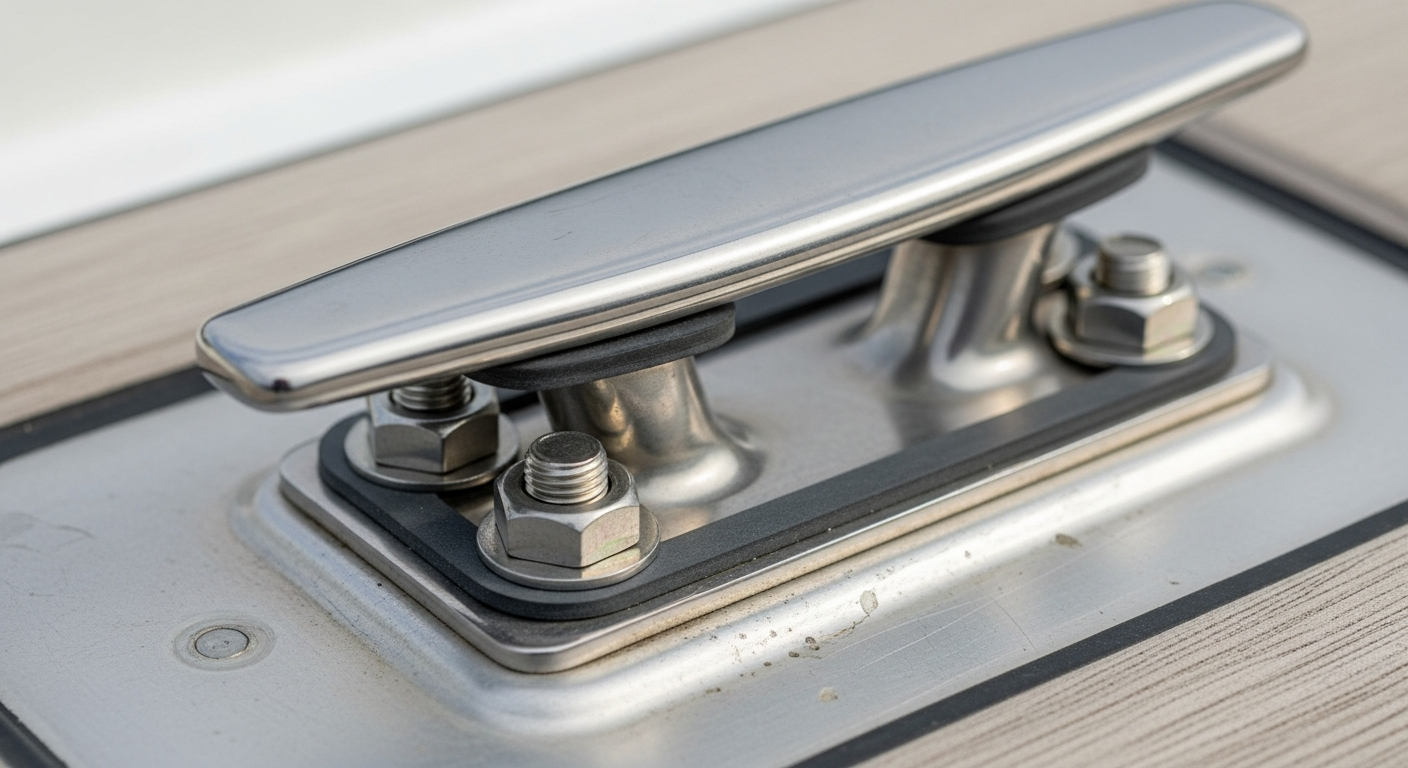
Isolating Dissimilar Metals
Bolt stainless straight to aluminum in salt water and you've built a battery. How we keep galvanic corrosion out.
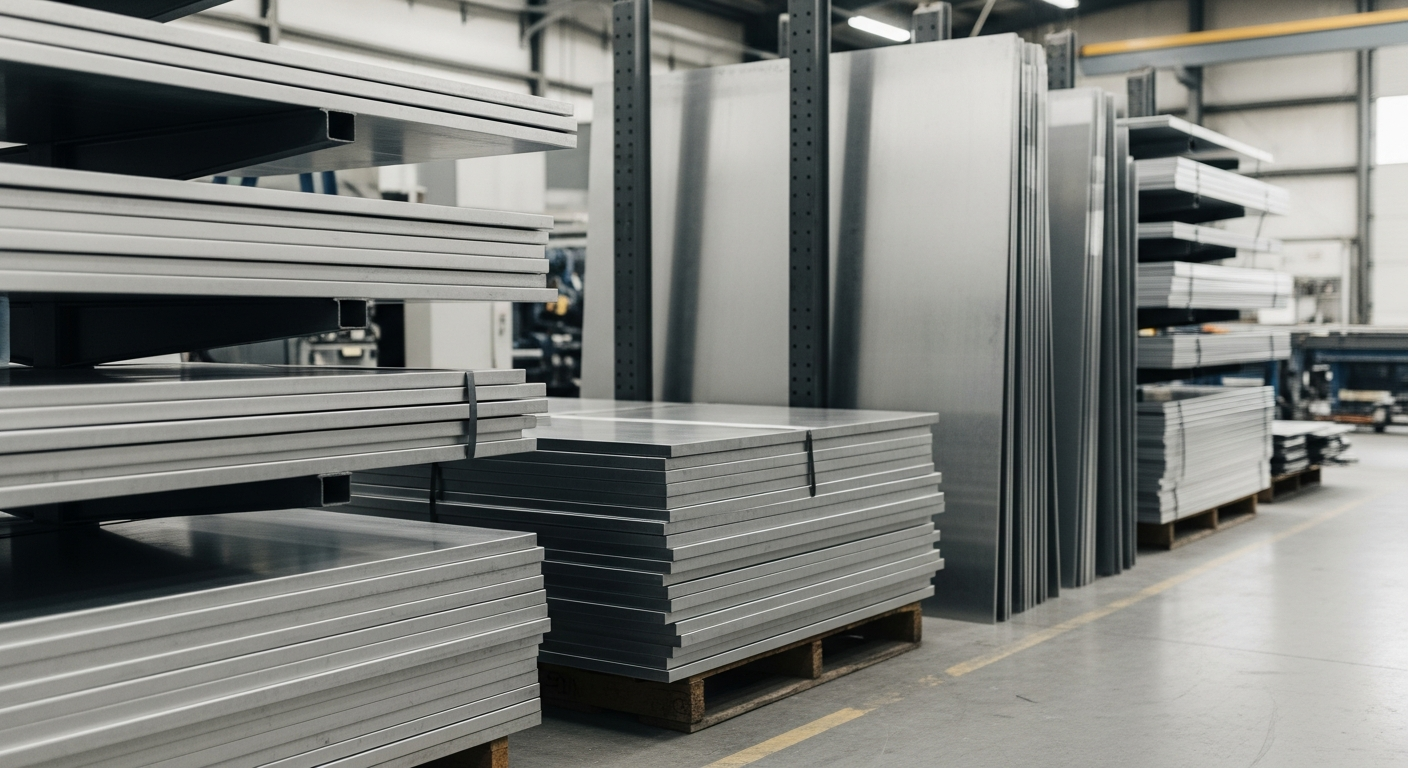
Choosing Between 5083 and 5086
Two marine alloys do most of the work in an aluminum hull. Knowing where each belongs is half the craft.
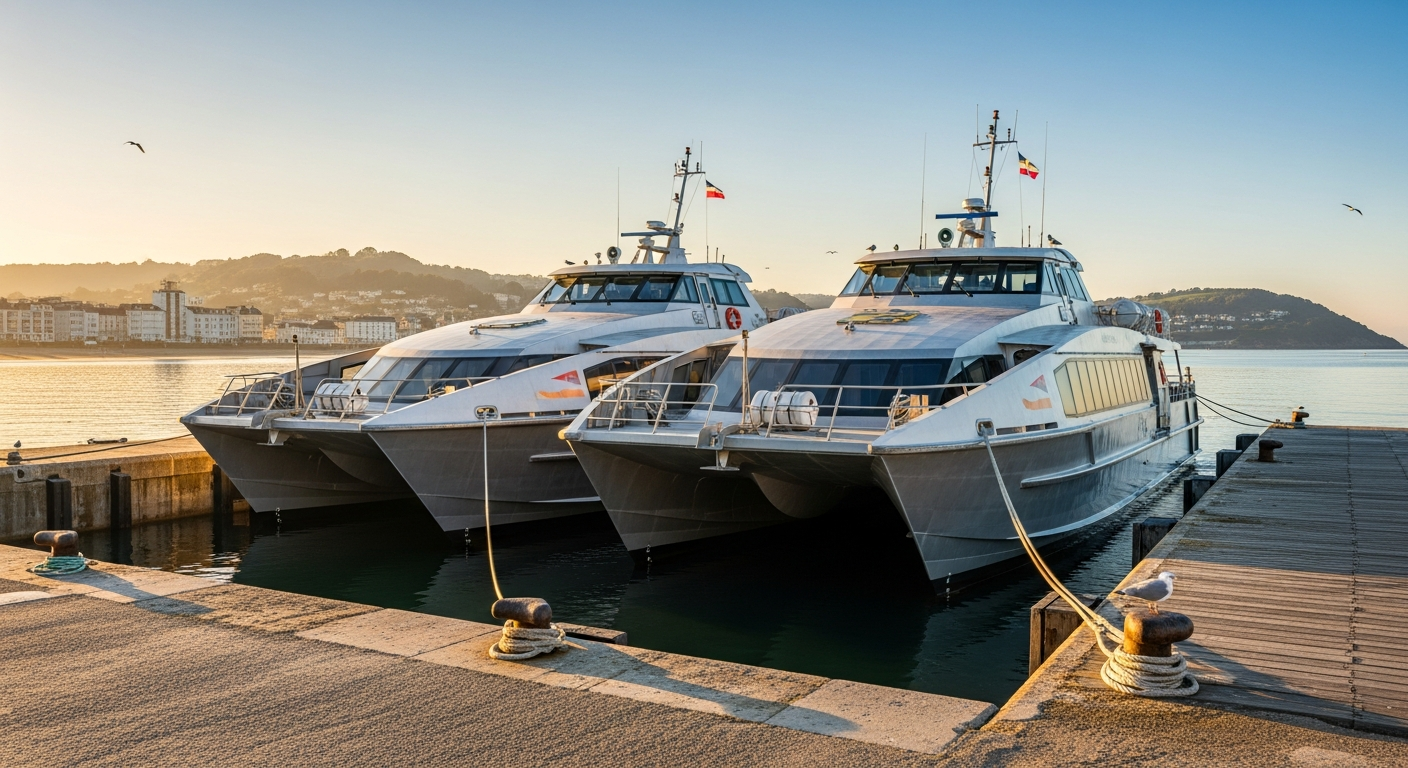
Twin Catamaran Ferries Head to the Coast
A pair of aluminum passenger catamarans left the yard together this week, bound for a coastal commuter route.