Fairing an Aluminum Hull
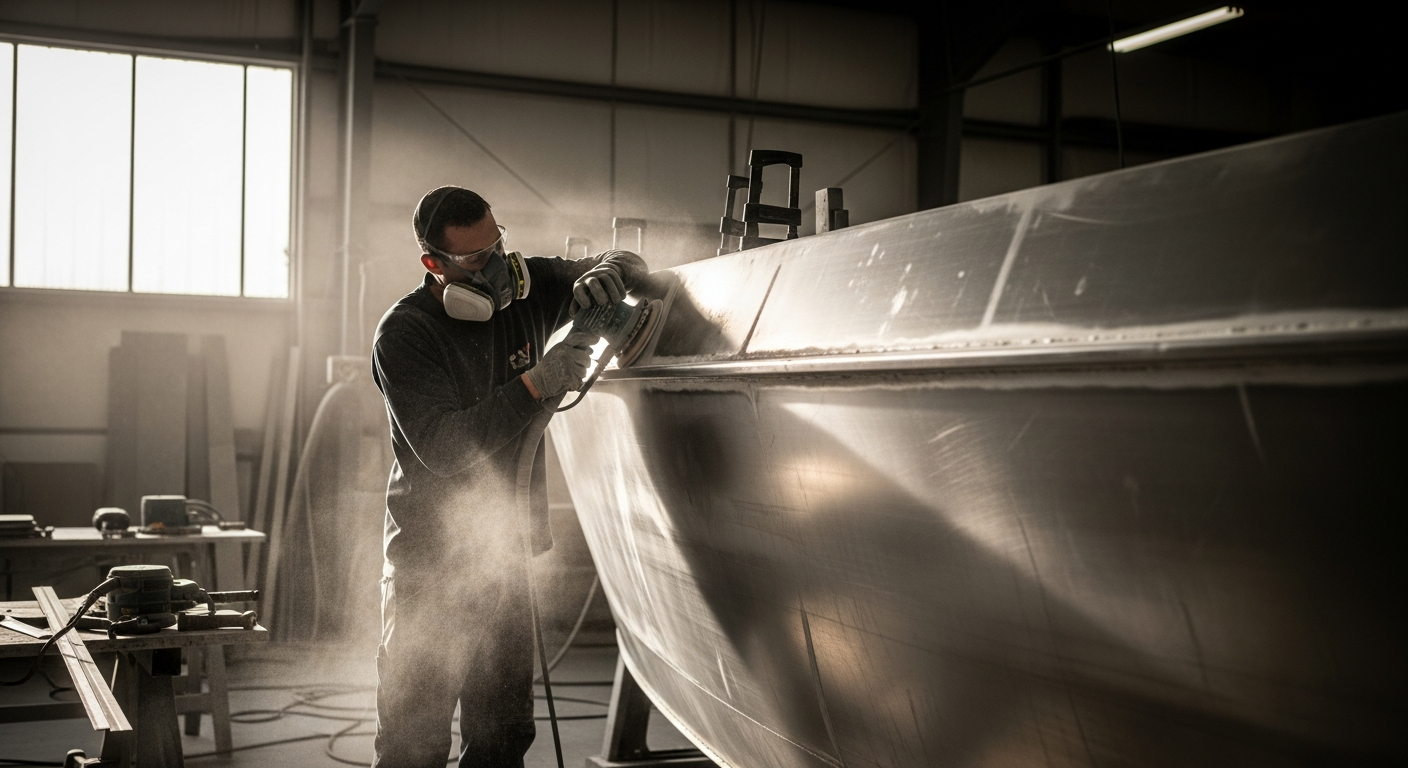
Welding a hull together is the loud part of the job. Fairing it — making every curve flow without a flat spot, a hollow, or a hard line — is the quiet part, and it is where a hull crosses over from sound to beautiful. It is slow, unglamorous work, and it shows in every photograph of a finished boat.
What fairing actually means
A welded hull, however carefully built, carries small distortions — the heat of every seam pulls the plate a little. Fairing is the process of reading those imperfections and working the surface until the curves are continuous again. On an aluminum hull that means careful weld dressing, minimal filler where it is truly needed, and a great deal of longboarding by hand.
The longboard and the light
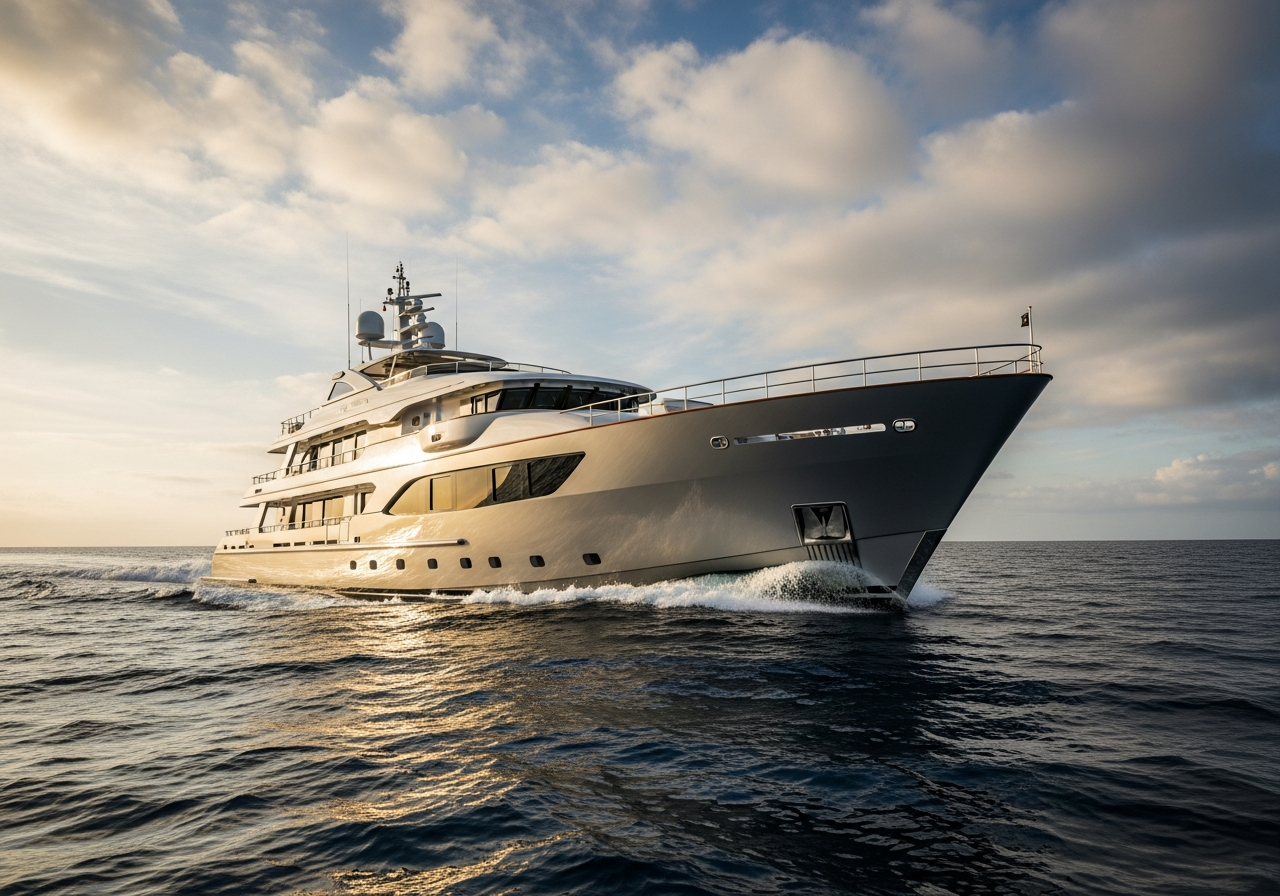
The two essential tools are a long sanding board and a low, raking light. The board bridges across a low spot and only cuts the high ground around it, so working an area by hand naturally averages the surface fair. The light, run almost parallel to the hull, throws a shadow off any flaw too small to feel. Between the two, a skilled hand can fair a surface the eye will read as perfect.
We resist the temptation to bury problems in filler. On a working aluminum hull, the goal is fairness in the metal itself wherever possible — it lasts, it doesn't crack, and it honors the material. Filler is the last few percent, not the foundation.
Nobody compliments fairing. They just say the boat looks fast standing still — and that's the compliment.
More Dispatches
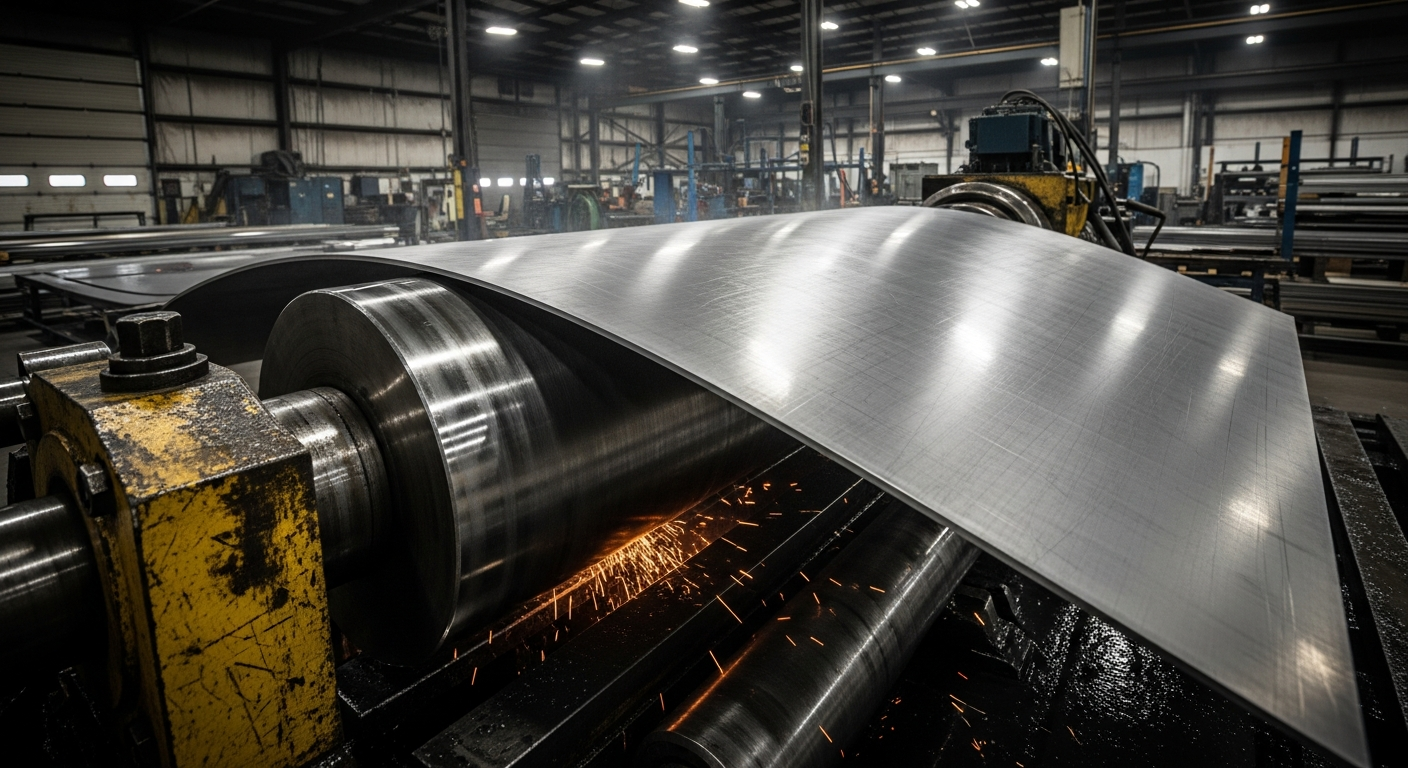
Plate Rolling and Compound Curves
A flat sheet of aluminum becomes a fair, curving hull through patience at the rolls. How the shape gets made.
Advancements in TIG Welding for Heavy Seas
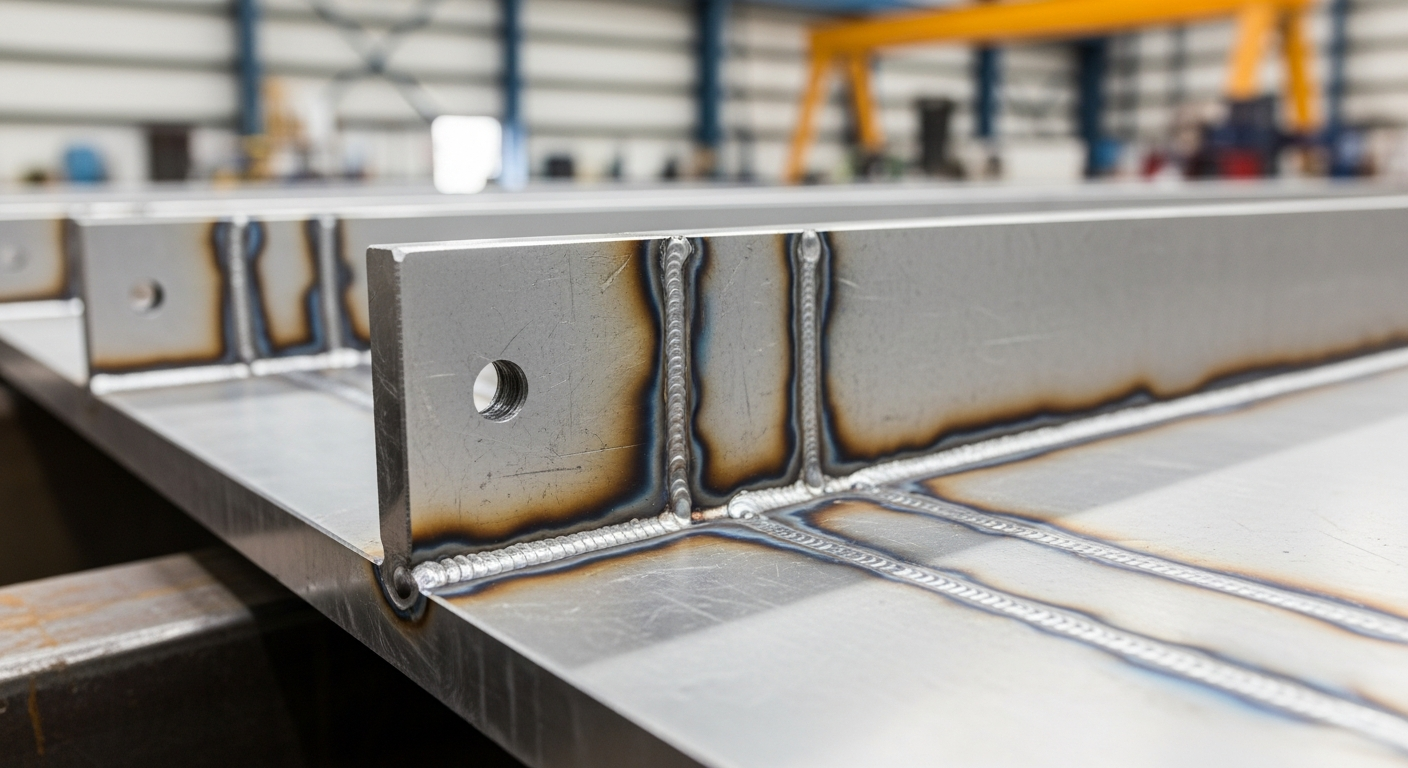
New pulse techniques ensure thicker aluminum plating withstands extreme offshore stress cycles.
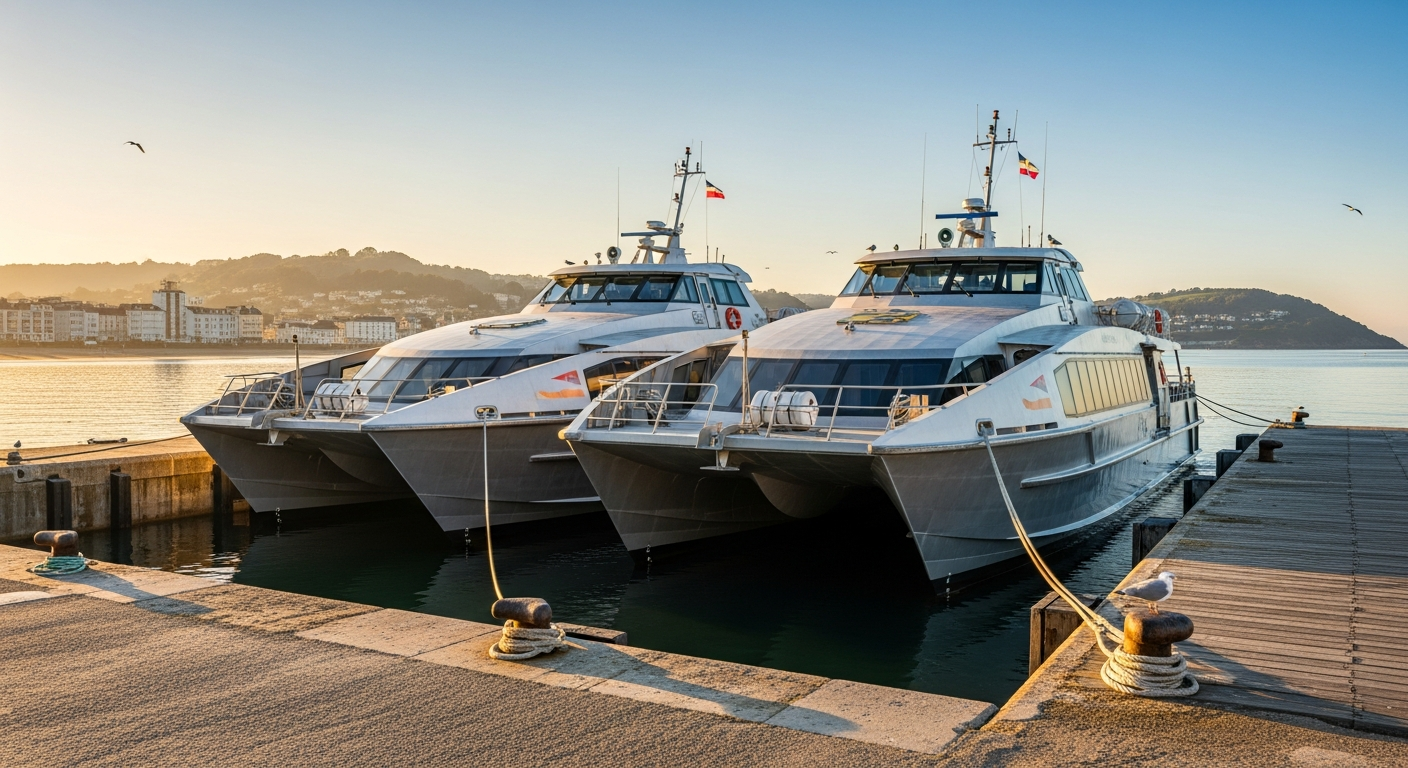
Twin Catamaran Ferries Head to the Coast
A pair of aluminum passenger catamarans left the yard together this week, bound for a coastal commuter route.