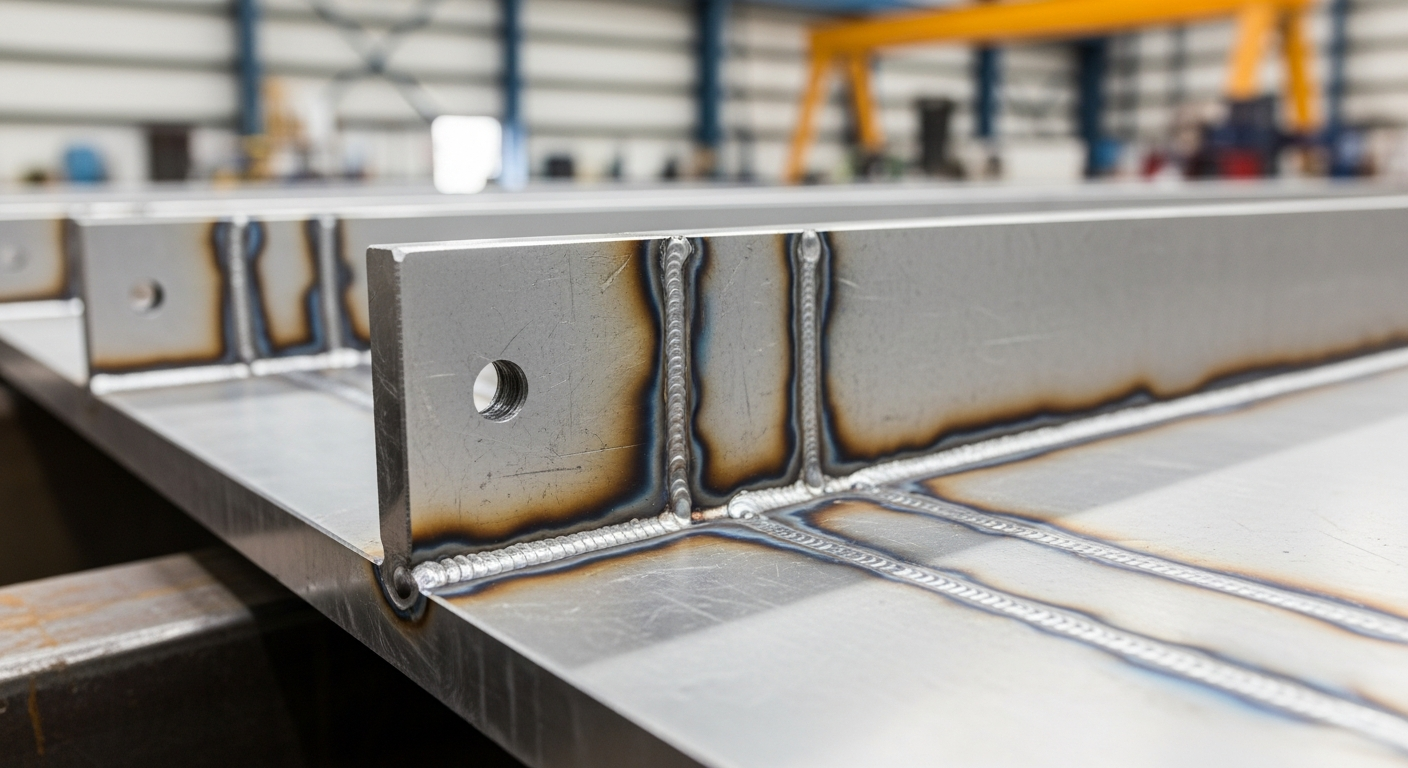
Advancements in TIG Welding for Heavy Seas
Every hull we launch into the Gulf is a study in fatigue. The difference between a weld that lasts a decade and one that fails on the second season is rarely the alloy — it is the heat that went into the joint. This year our shop adopted a new pulse-controlled TIG process for thick-plate aluminum, and the early fatigue data is the best we have seen.
Why heat input decides a hull's life
Marine-grade 5083 and 5086 aluminum are unforgiving in the heat-affected zone. Pour too much energy into the joint and the metal around the bead softens, leaving a band that flexes a little more than the plate beside it. Offshore, that band sees millions of load cycles a year. Pulse TIG lets our welders hold a hot, clean arc at the puddle while keeping the average heat input low — the seam fuses fully without cooking the surrounding plate.
We rebuilt our procedure qualification records around this. Each plate thickness now has a documented pulse frequency, peak and background amperage, and travel speed that our fabricators dial in before the first tack. Consistency at the bench is what makes the difference repeatable across a forty-foot run of weld.
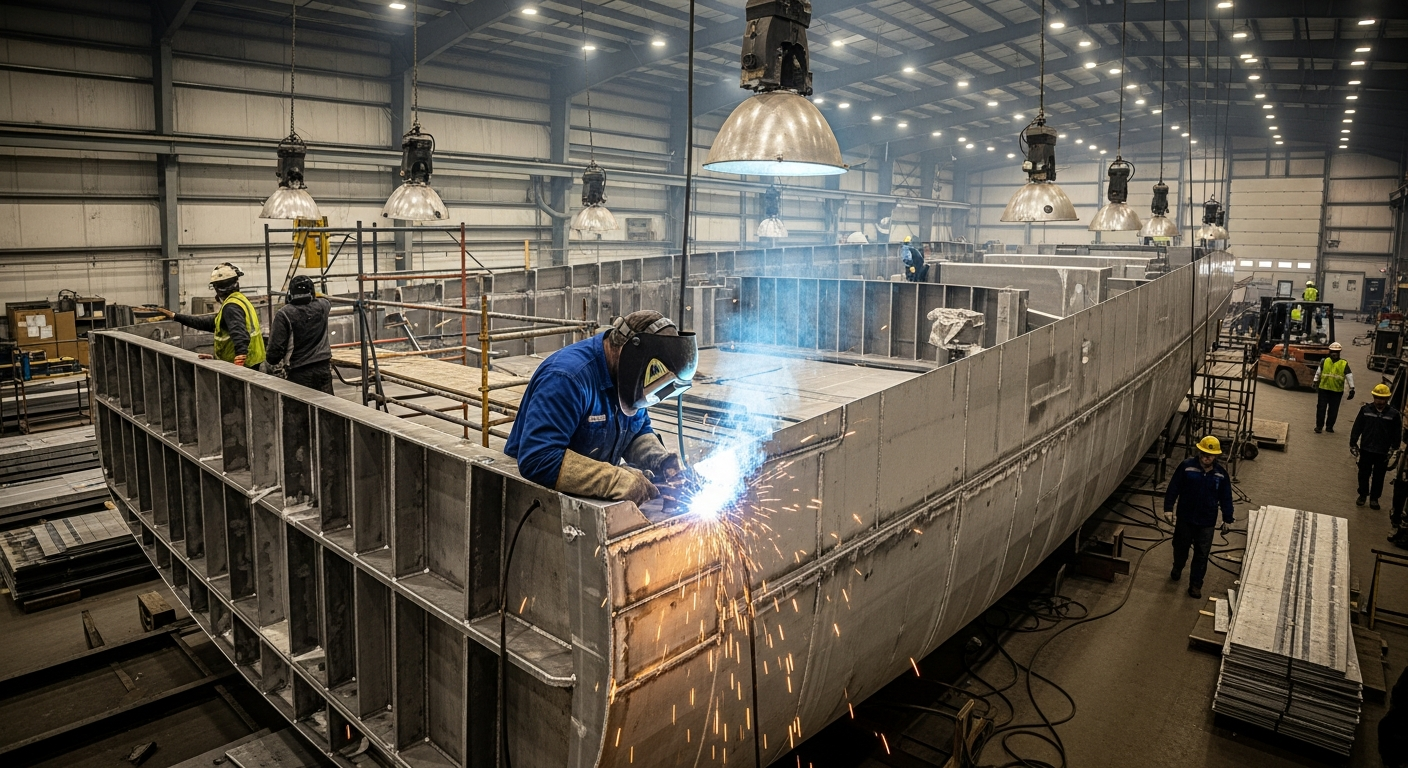
Testing the joint, not the operator
We coupon-test every new procedure to destruction before it touches a customer's hull. Bend tests, macro-etches, and cyclic fatigue rigs tell us where a joint will actually give. The pulse procedure pushed our fatigue threshold meaningfully higher than the steady-arc baseline on the same alloy and thickness — the kind of margin you want when a crew boat is pounding through a four-foot chop at twenty-six knots.
A good weld disappears. You should never be able to find the strongest part of a hull, because it should be every part of it.
What it means for the boats we build
For owners, the payoff is fewer cracked stiffeners, fewer haul-outs, and a hull that holds its lines after years of hard service. For our shop, it means we can specify thicker plating in high-stress areas without the weight penalty of over-welding. It is a small change in the arc — and a large change in the life of the boat.
More Dispatches
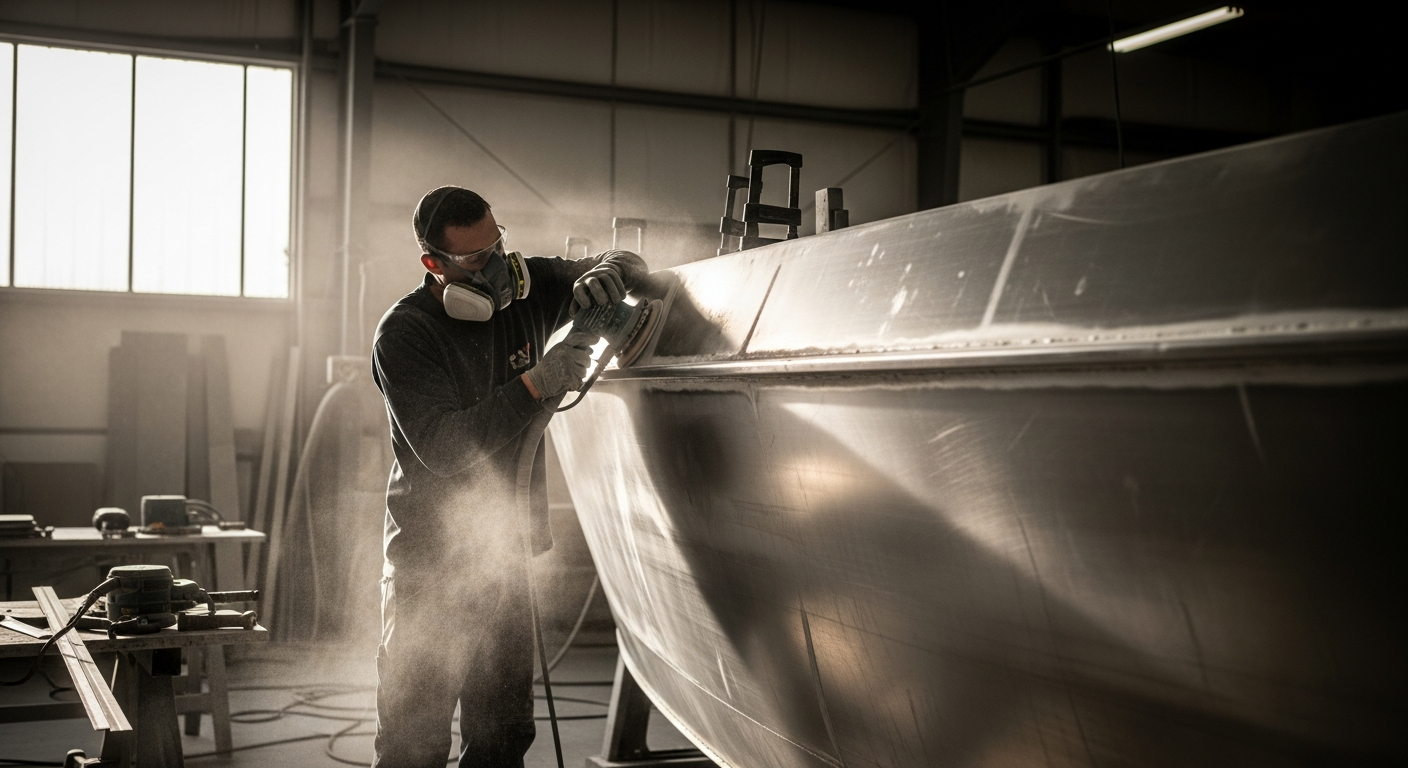
Fairing an Aluminum Hull
The difference between a good hull and a great one is settled with a longboard and a low, raking light.
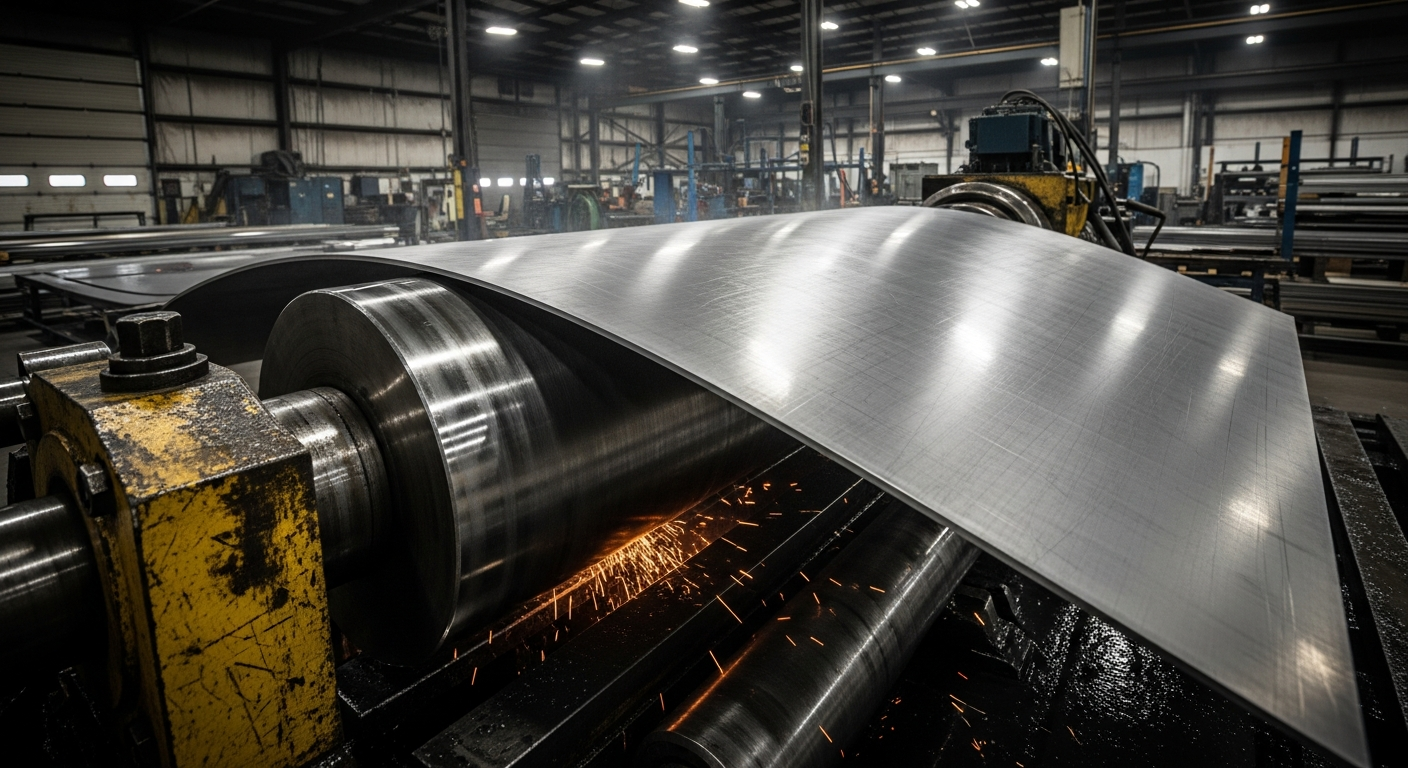
Plate Rolling and Compound Curves
A flat sheet of aluminum becomes a fair, curving hull through patience at the rolls. How the shape gets made.

Twin Catamaran Ferries Head to the Coast
A pair of aluminum passenger catamarans left the yard together this week, bound for a coastal commuter route.