Plate Rolling and Compound Curves
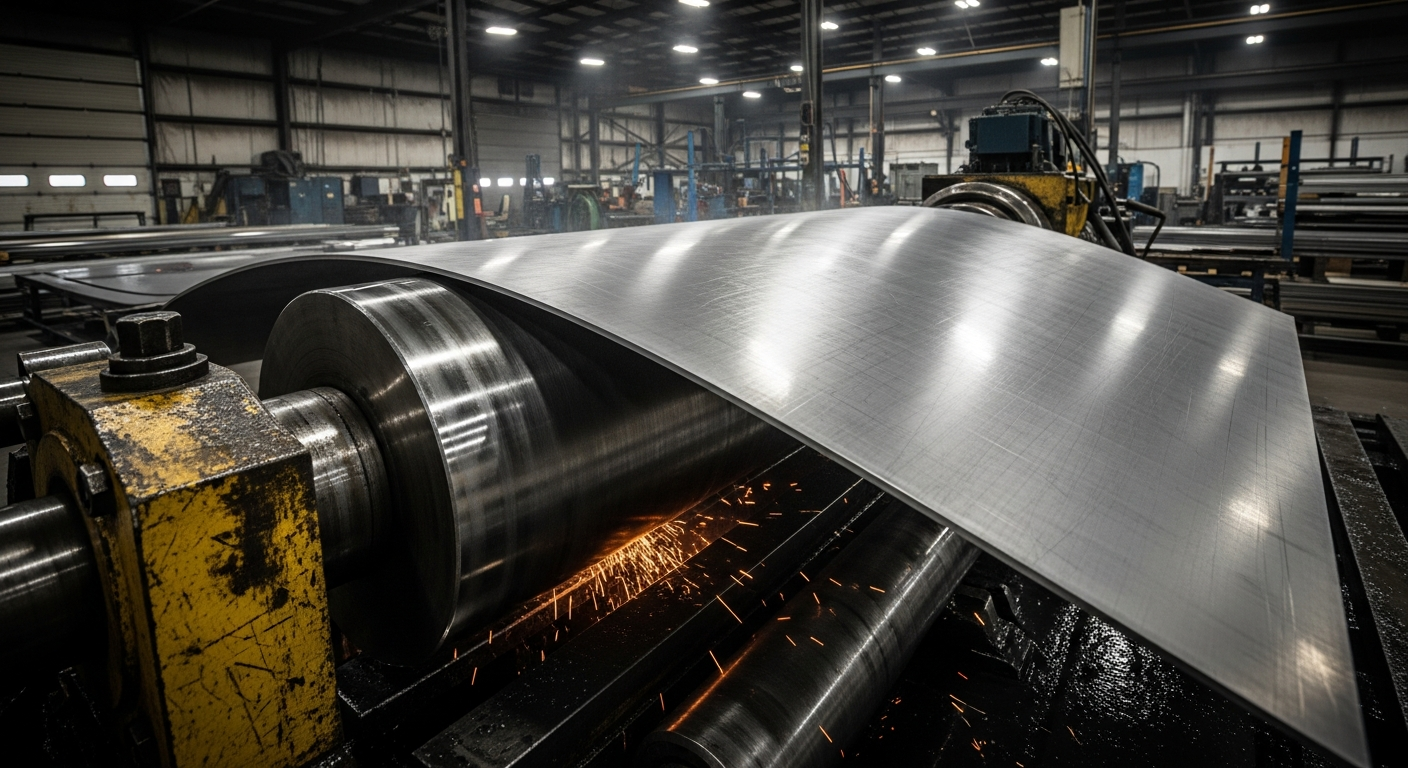
A hull arrives at the shop as flat plate and leaves as a set of fair, sweeping curves. The journey in between happens at the plate rolls, and it is one of the few places in modern fabrication where the feel of an experienced hand still beats the machine.
Developable surfaces, by design
Wherever we can, we design hulls from developable surfaces — shapes a flat plate can take by bending in a single direction, without being forced into a compound curve. That choice on the drawing board is a gift to the shop: the plate wraps the frames cleanly, with no built-in stress fighting to spring it back flat.

Where compound curves are unavoidable
Some areas — the turn of the bow, a bulbous forefoot — demand compound curvature no single bend can make. There the work slows down. The fabricator rolls the plate in stages, checking it against templates and the frames themselves, easing the metal toward the shape rather than forcing it. Rush it and the plate hardens or oil-cans; take the time and it comes fair.
Fairness is the test. We sight down the hull and across it, in raking light, looking for any flat spot or hard knuckle that the eye can catch even when a tape measure can't. A hull is right when the curve is continuous everywhere the light travels.
The rolls don't lie. You can measure a panel perfect and still see it's wrong the moment the light runs across it.
More Dispatches
Fairing an Aluminum Hull
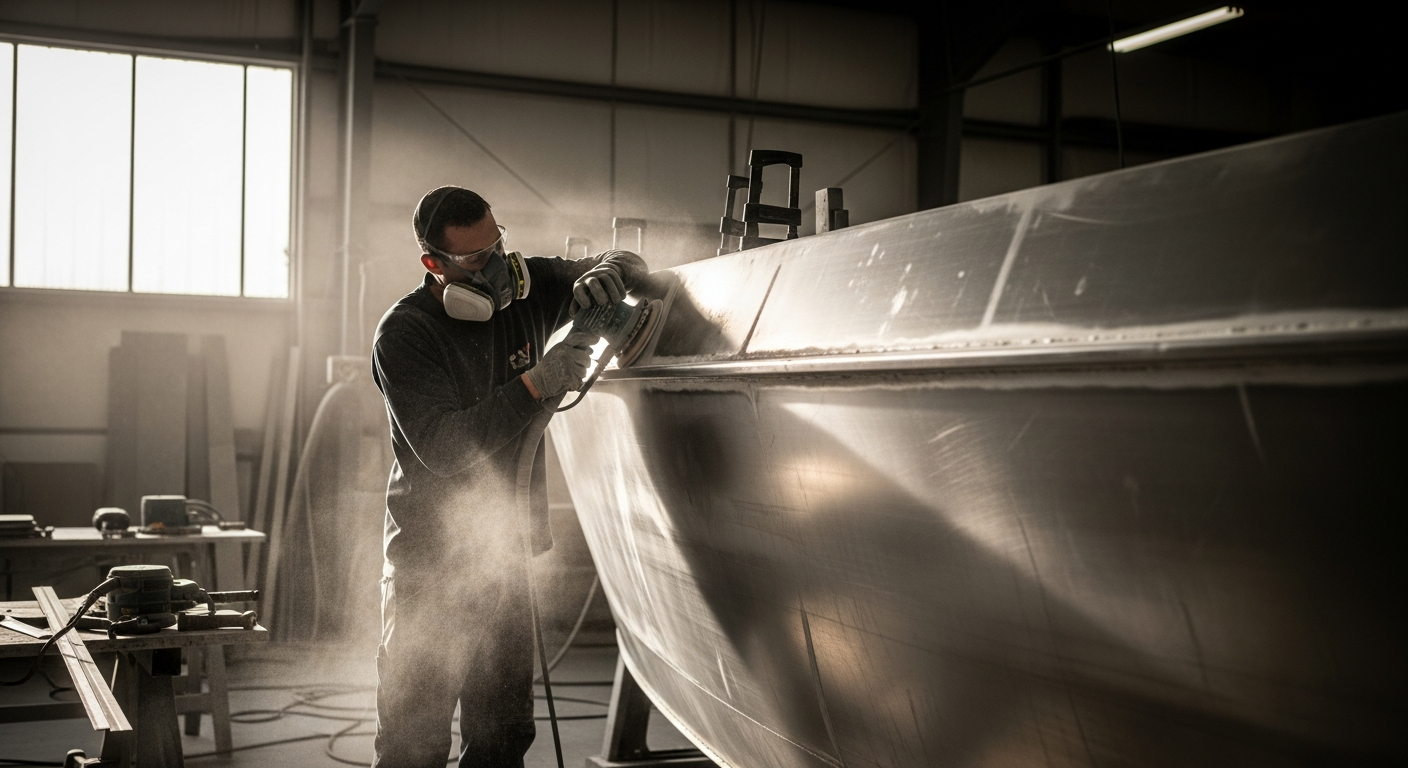
The difference between a good hull and a great one is settled with a longboard and a low, raking light.
Advancements in TIG Welding for Heavy Seas
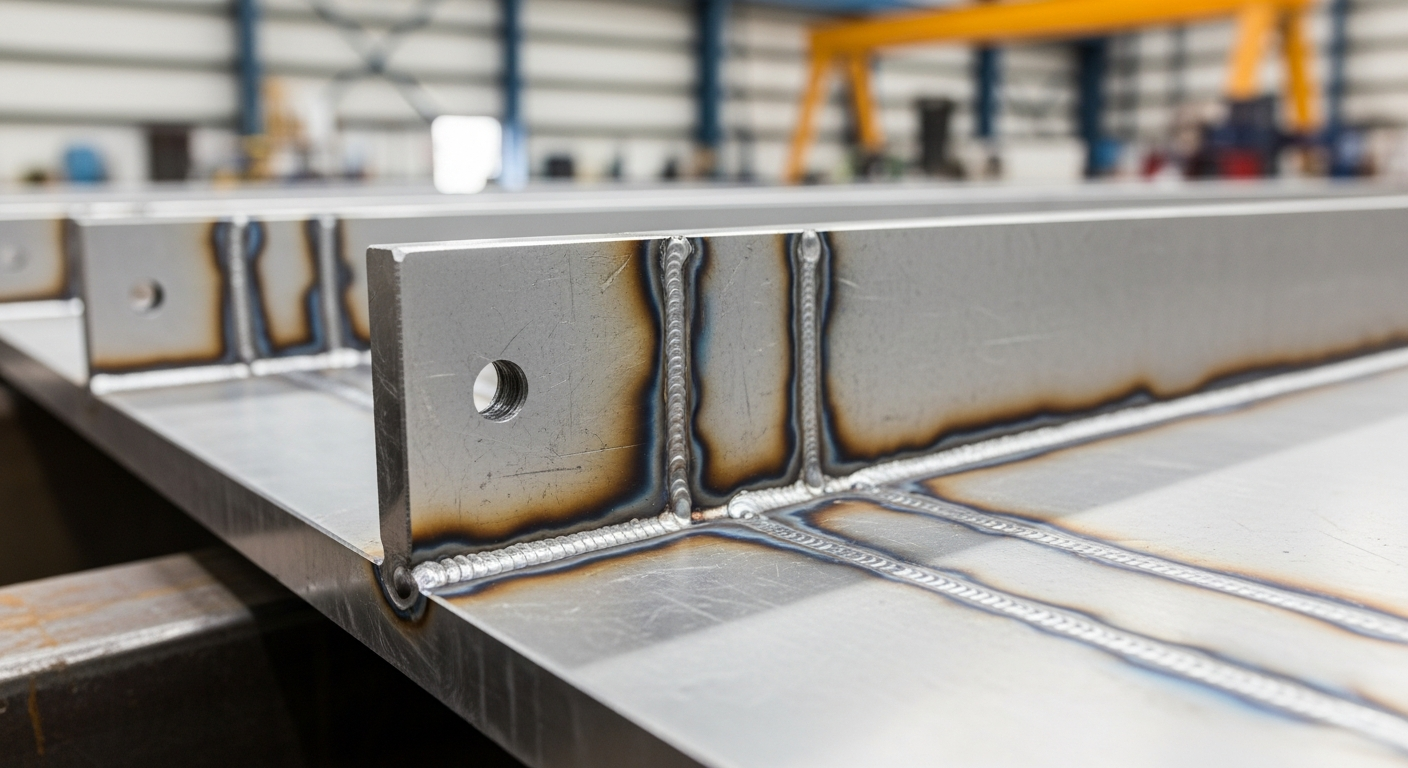
New pulse techniques ensure thicker aluminum plating withstands extreme offshore stress cycles.

Twin Catamaran Ferries Head to the Coast
A pair of aluminum passenger catamarans left the yard together this week, bound for a coastal commuter route.