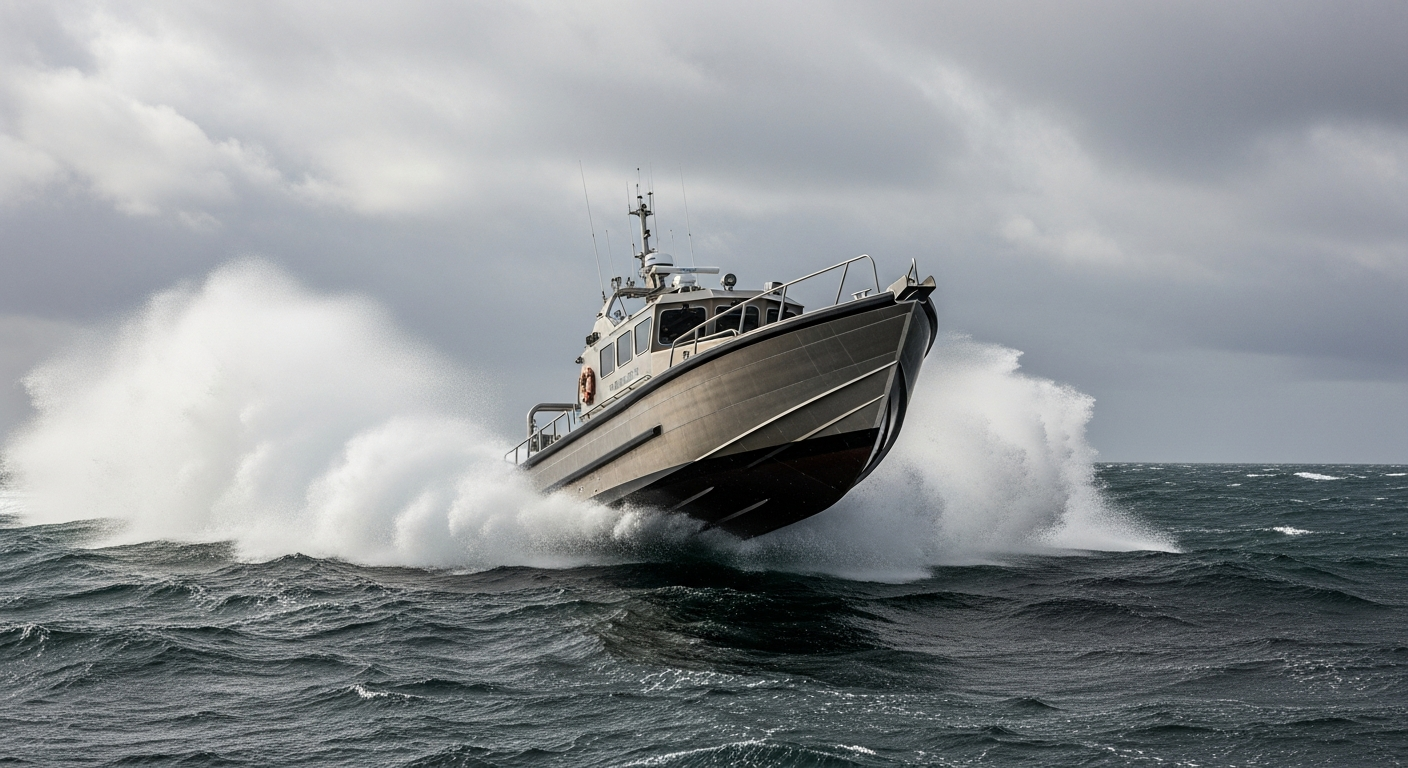
Heavy-Weather Trials Off the Jetties
Anyone can make a boat look good on a flat morning. The trials that actually matter happen when the forecast is bad — when there is a real sea running past the jetties and the hull has to show what it does when the water stops cooperating. We wait for that weather on purpose.
Why we want the rough day
A working boat will spend its life in conditions an owner can't choose. If a hull has a vice — a tendency to bury the bow, to pound, to throw spray back over the wheelhouse — we want to find it on our schedule, with our crew aboard, not on the customer's first hard run. So when a front pushes a steep sea in, that is exactly when we untie the lines.
What we watch for
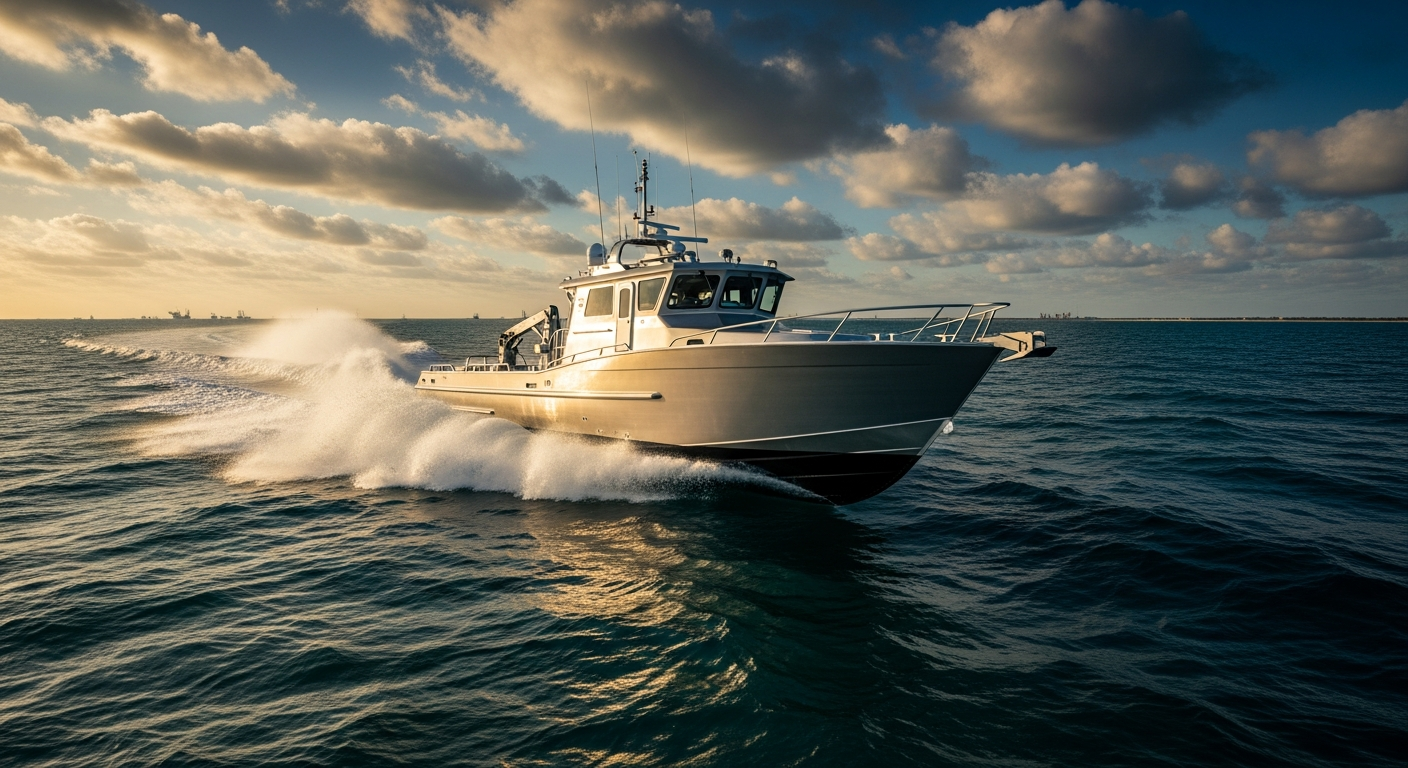
We run every heading relative to the sea — into it, across it, and with it following. Head-on, we watch pitch and whether the bow stays dry and predictable. Beam-on, we check the roll and how the boat recovers. Following, we look for any tendency to broach or bow-steer. At each heading we note the speed the boat can comfortably hold, because that — not the calm-water top end — is the speed it will really make on a bad day.
Structure gets tested too. Repeated slams load the forward framing and welds harder than anything in flat water, and we inspect those areas closely afterward. A hull that comes back from a heavy-weather trial dry, quiet, and tight has earned its sign-off.
We don't certify a boat in good weather. We certify it in the weather it was built to survive.
More Dispatches
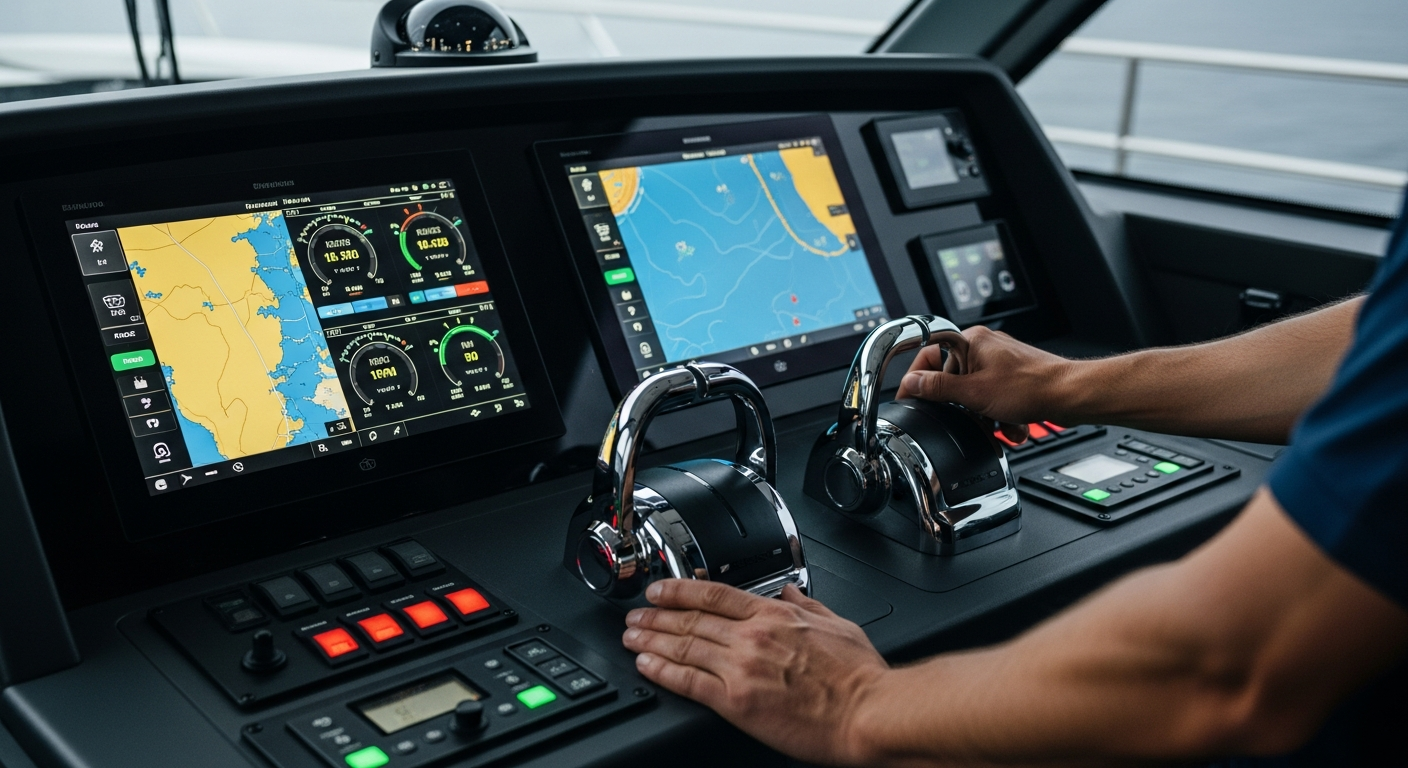
Calibrating the Speed and Fuel Curves
Top speed is a headline. The speed-versus-fuel curve is what an operator actually lives with. How we measure it.
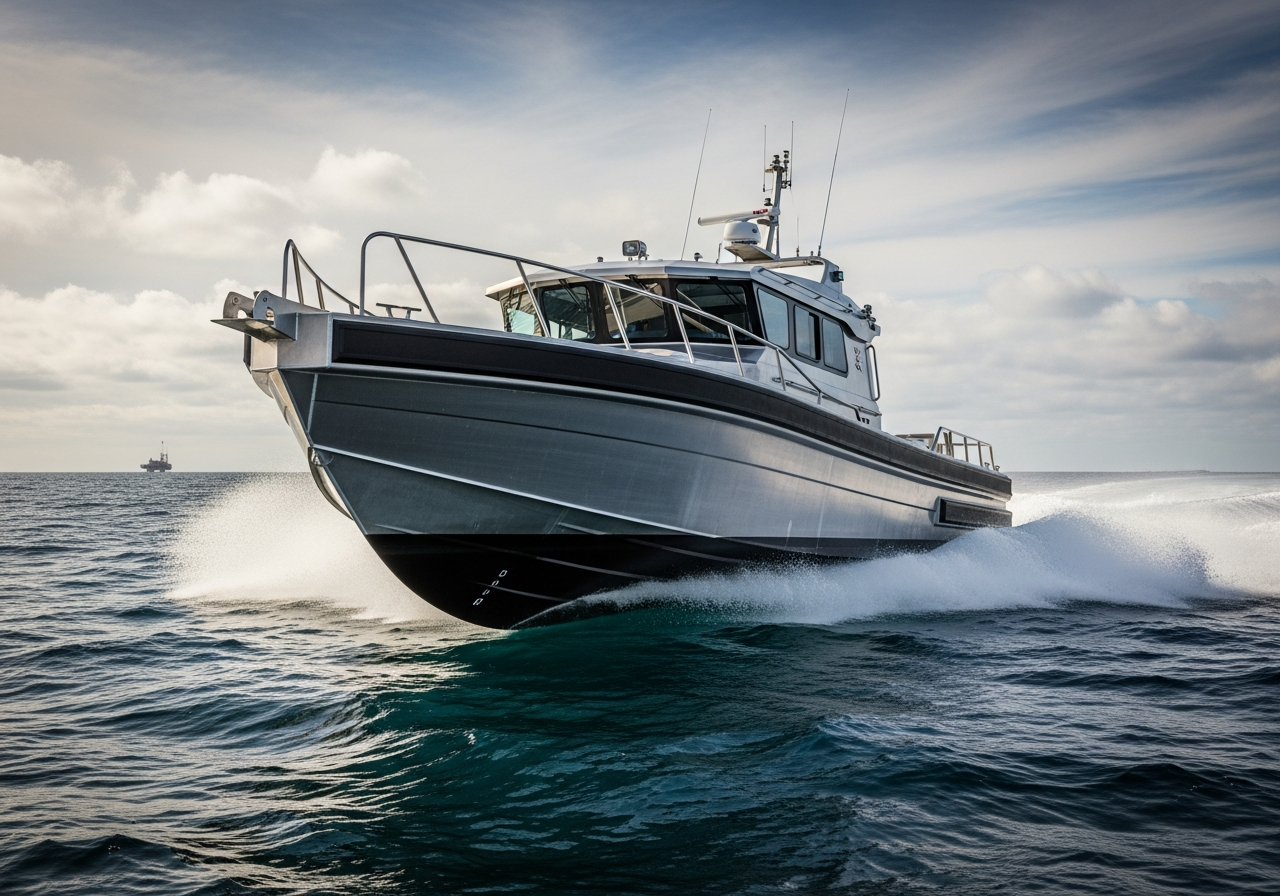
Reading the Water: A Day of Sea Trials
Before a hull is signed off, it has to prove itself offshore. Inside a full day of trials on a new crew boat.
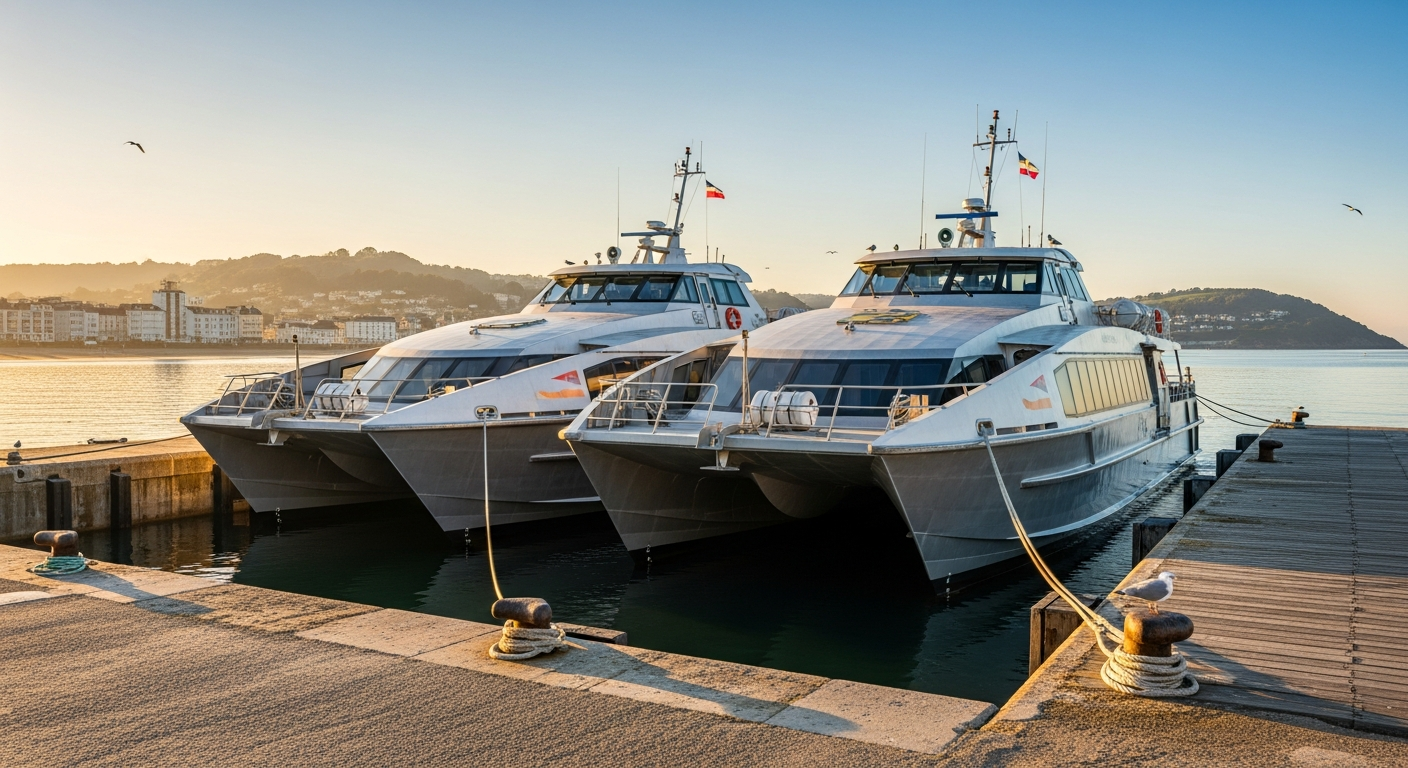
Twin Catamaran Ferries Head to the Coast
A pair of aluminum passenger catamarans left the yard together this week, bound for a coastal commuter route.