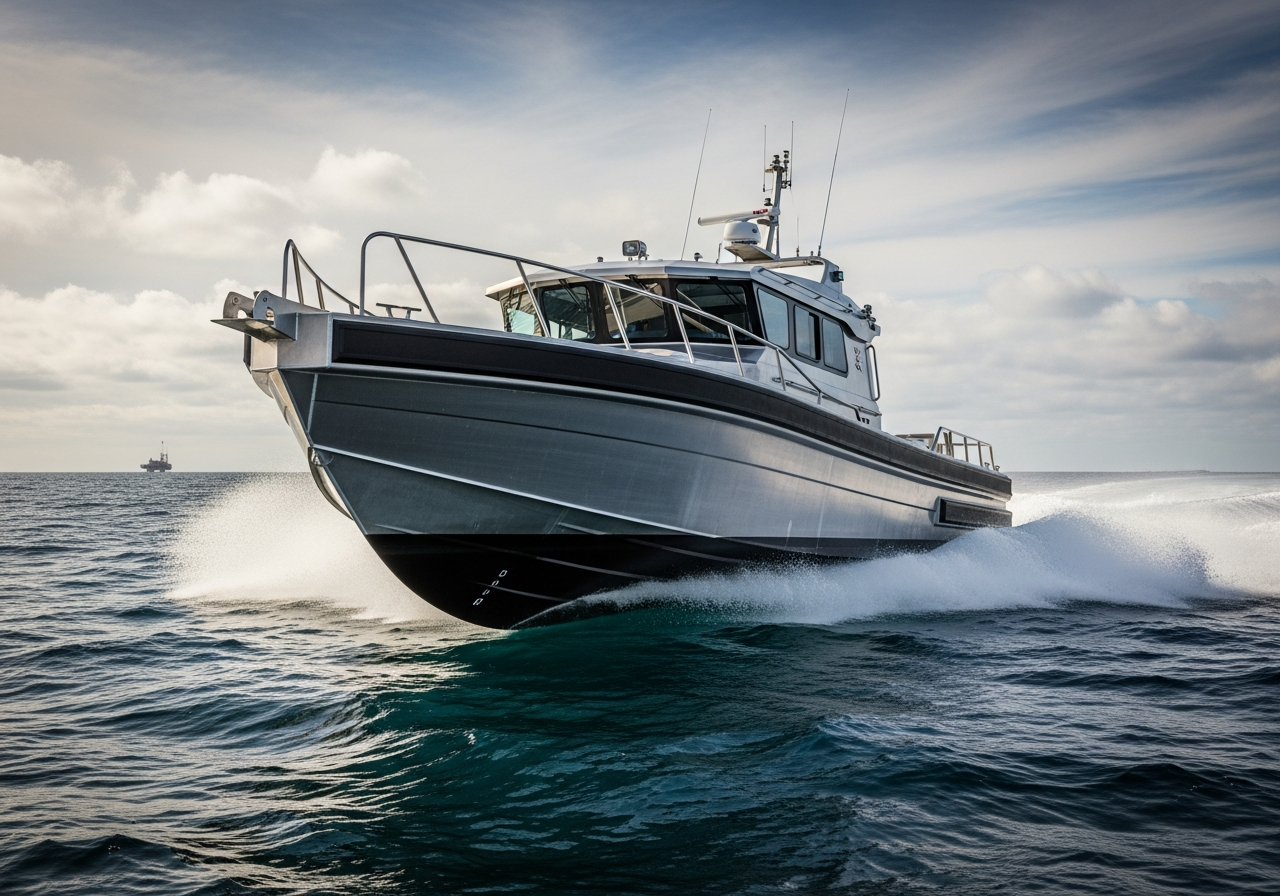
Reading the Water: A Day of Sea Trials
Sea trials are where the drawings stop talking and the water has the last word. Long before an owner steps aboard, our team takes every new hull offshore to push it past the contract and find out exactly how it behaves. Here is how a trial day actually runs.
First light, dockside checks
A trial starts before the lines come off. We walk the boat cold — tank levels, steering hard-over to hard-over, alarms, bilge systems, every through-hull. Instruments are zeroed against known references so the speed and fuel numbers we record offshore actually mean something. Only when the checklist is clean does the boat leave the dock.
Building up through the range
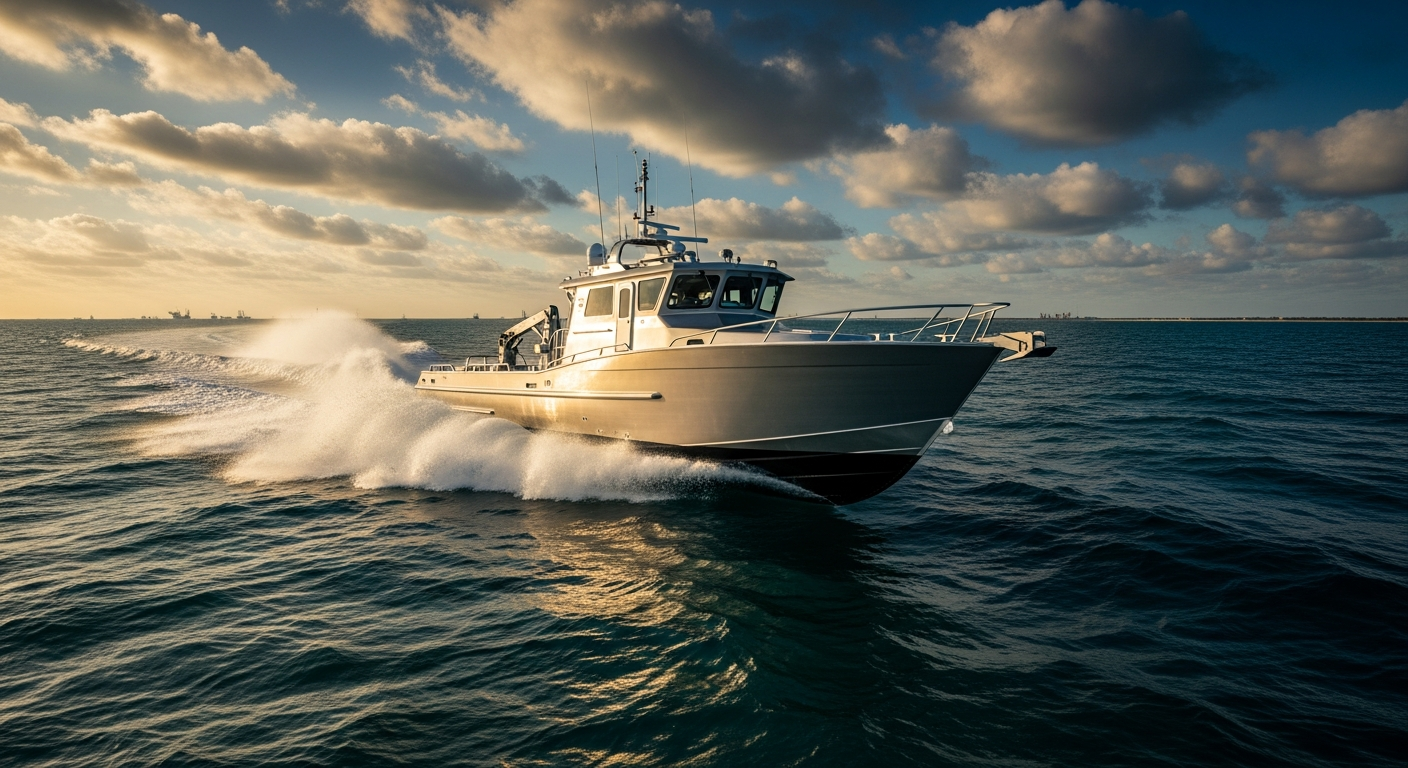
We bring the boat up in steps, holding each rpm band long enough for the readings to settle. At every step we log speed, fuel burn, shaft load, and how the hull sits and tracks. The goal is not just top speed — it is the efficient cruise the operator will actually run day after day, and confirming the boat holds it cleanly fully loaded, not just light.
Turns, stops, and the rough stuff
Then we work it. Hard turns at speed to check that the hull stays dry and predictable. Crash stops to measure how quickly she comes down off plane. Repeated runs across our own wake to load the structure the way a real sea will. We want to surface any vice in our water, on our schedule — never on the customer's.
A trial isn't about proving the boat is good. It's about trying to find what's wrong while there's still time to make it right.
Back at the dock, the logged numbers go straight into the boat's record and against the contract spec. If everything clears, the hull moves to final outfitting and sign-off. If it doesn't, we already know exactly what to chase.
More Dispatches
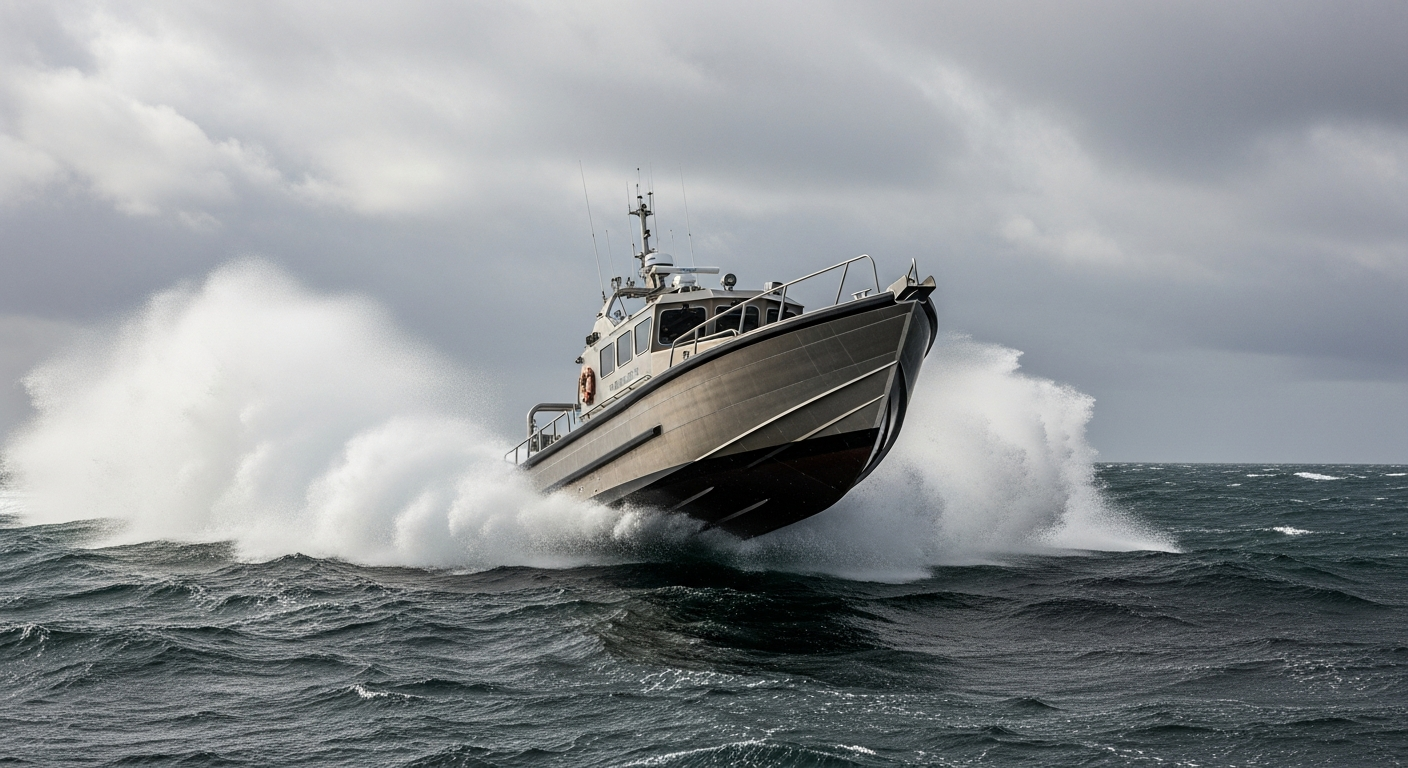
Heavy-Weather Trials Off the Jetties
Calm-water numbers only tell half the story. We take new hulls out when the weather turns — on purpose.
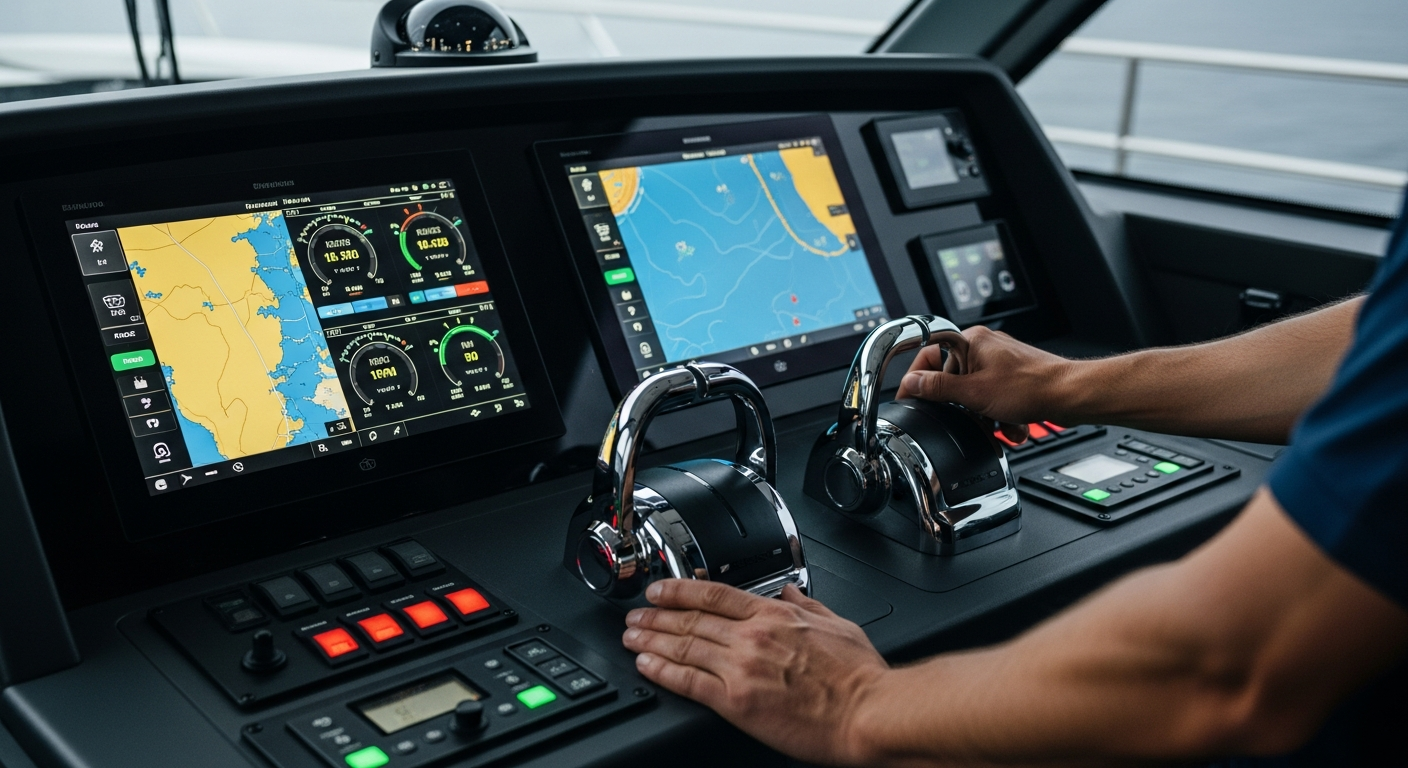
Calibrating the Speed and Fuel Curves
Top speed is a headline. The speed-versus-fuel curve is what an operator actually lives with. How we measure it.
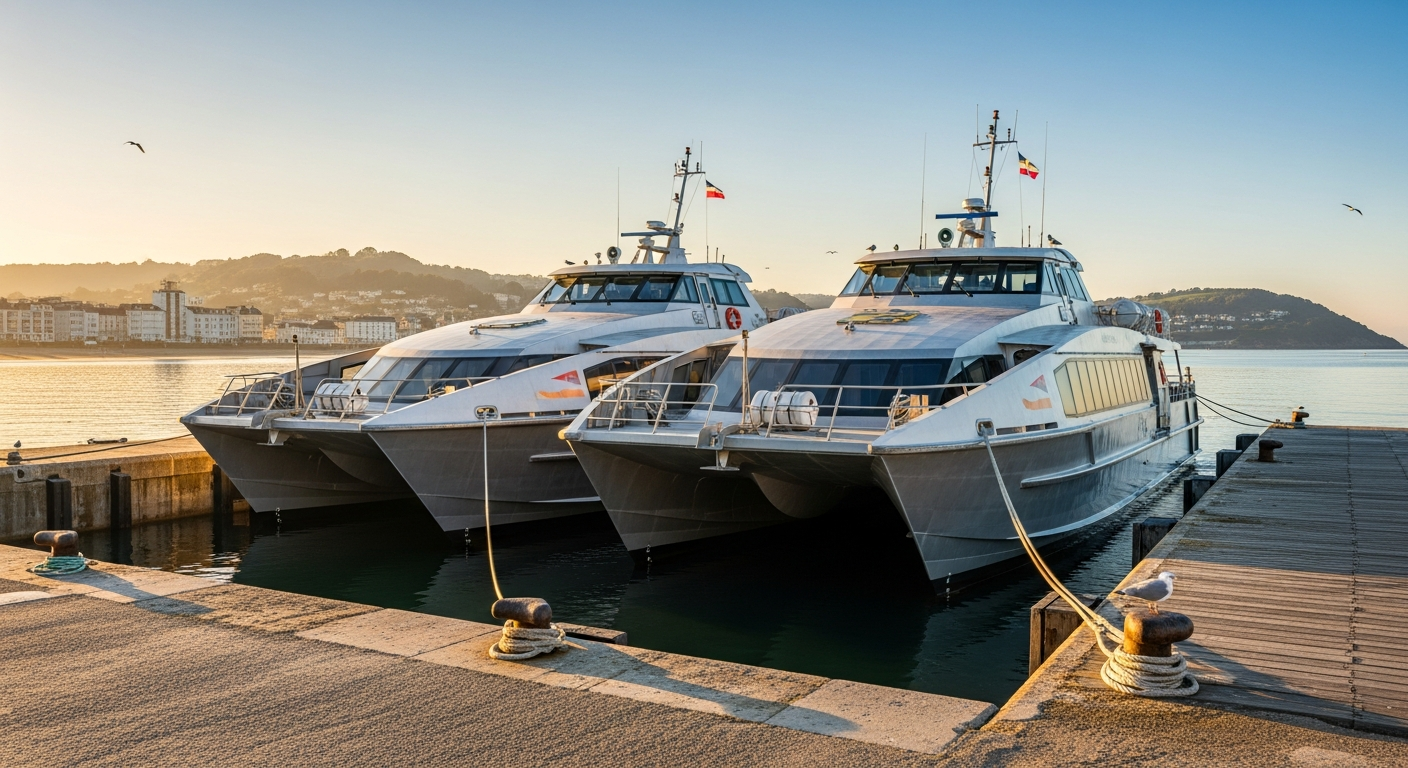
Twin Catamaran Ferries Head to the Coast
A pair of aluminum passenger catamarans left the yard together this week, bound for a coastal commuter route.